Torah Portion Reading Schedule

Study the Bible with the Holy Branches Torah Portion Reading Schedule! For information about studying the Torah portions, read Parashōt, The Original Bible Study!

Study the Bible with the Holy Branches Torah Portion Reading Schedule! For information about studying the Torah portions, read Parashōt, The Original Bible Study!

You may have heard many Christians started observing the Biblical Feast Days. You may even have heard them claim these seven Feast Days point to Jesus as our Messiah. Since the connection between the commands to observe these days in Leviticus and our faith in Jesus as our Savior can be confusing, here’s an overview of these important days and how each relates to Jesus and, thus, to our faith.
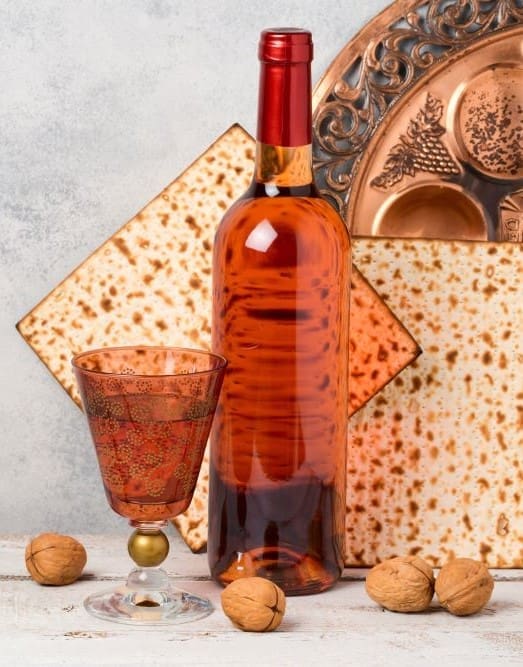
I must add that salvation is not found in keeping the Feast Days or God’s commands. Salvation through works is a significant misconception about the Hebrew Roots Movement and the source of many people’s objection to Christians keeping The Holy Days or following the commands of the Torah. Salvation is found in Jesus alone and is based on the grace we’ve been given through Jesus’s sacrifice, not on our adherence to God’s laws (Eph. 2:8-9 and Titus 3:5). We follow His laws only out of love and respect for God and His commands and because His grace has saved us, not because the obedience itself will save us. On the other hand, although the laws don’t save us, we shouldn’t blatantly disregard the way God wants us to live. We should instead delight in His perfect laws (Psalm 1:2, 19:7, and 40:8)!
This article is a basic overview; the verses I give for each refer only to the command. All these observances are mentioned elsewhere in the Bible as well. Click on the day’s name for a more in-depth explanation of how it relates to the Christian faith and can be celebrated in a Christian home.
Known as “Shabbat” in Hebrew, this Feast Day occurs weekly. The Sabbath is a day to rest and to keep holy – that is, to focus on our God and Savior.
Jesus said that he is “Lord of the Sabbath” (Matt. 12:8 and Mark 2:28). In addition to revealing his divine nature in this verse, having been there at the creation of the universe, Jesus took part in the creation of the Sabbath when God first declared it (John 1:1-5, Gen. 1:26 and 2:3).
Jesus is our “Sabbath rest” (Hebrews 4). As believers, we can rest in our salvation and observe the Sabbath just as God did. We should strive to align our behavior with what God desires of us despite and because of our salvation. However, we can rest in the mercy and grace we’ve been given and approach God with no shame after repenting and turning from our sin.
“Pesach” in Hebrew, this Feast is a remembrance of the Passover and the resultant exodus from slavery in Egypt. During the Passover, the blood of the Passover Lamb on the doorposts of the Hebrew people saved them from the final plague of the death of the firstborn.
John the Baptist prophetically calls Jesus “the Lamb of God that takes away the sin of the world” (John 1:29). After Jesus’s crucifixion and resurrection, Paul refers to him as “our Passover” (1 Cor. 5:7). What these two men realized is that the sacrifice of the Passover Lamb that saved the Hebrew people foreshadowed the sacrifice Jesus made that saves us today!
Jesus also tells us he’ll celebrate The Passover with us again someday (Mark 14:24-25 and Luke 22:15-16). Wow! What an exciting Feast to look forward to!
Also called “Chag HaMatzot,” this week-long Feast occurs during the week of Passover. It’s generally a time to remember the Passover further. Being in a hurry to leave Egypt when Pharaoh finally allowed them to, they didn’t have time to leaven their dough and had to cook and eat unleavened bread.
The command for this Feast is to remove all leaven (also called “chametz”) from one’s household and to eat none for seven days. “Leaven” or yeast is a biblical reference to sin or corruption. When something is described as “unleavened,” it’s pure or uncorrupted.
For example, when yeast is placed in bread, it spreads until it is in the entire batch. Think about people you know who have let a minor sin enter their lives; likewise, it spreads and spreads and sometimes ends up ruining lives. Think about a married man who friends an old girlfriend on social media and what damage this tiny action can lead to.
Jesus, our “bread of life,” was able to be the only atoning sacrifice for our sin because he was “unleavened” or uncorrupted by sin. Having adhered to the entire law (Torah), his perfection made his crucifixion the one-time blood sacrifice that could cover the sins of all mankind forever.
In 1 Cor. 5:6-7, Paul explains that a bit of leaven leavens the whole lump. Even if we lead perfect lives, we cannot achieve perfection, causing us not to be able to experience true communion with God. Having to clean out all the leaven in every nook and cranny of our homes reminds us that even the tiniest bits of sin left in the nooks and crannies of our hearts must be dealt with. If not, they will indeed “leaven the whole lump” and spread throughout our lives and those around us.
How blessed are we? Jesus has dealt with each crumb of leaven in our hearts so that we can approach God pure and “unleavened” as well!
Called “Yom Bikkurim” (the Day of First Fruits) or “Reshit Katzir” (beginning of the harvest) in Hebrew, this Feast Day is the dedication of the future harvest to God, which was demonstrated by waving a sheaf of green barley before God. It begins the 49-day countdown to The Feast of Weeks, the next Feast. The command also includes sacrificing a blemish-free male lamb as well. However, this part can only be done with the Temple.
Here’s another Feast Day that Paul sheds light on for us. In 1 Corinthians 15:20-28, he tells us that Jesus is the “first fruits” to both the dead and those “in Christ” when Jesus returns to Earth. Just as the First Fruits Feast offerings looked forward to the future harvest, so did Jesus’s resurrection. He came to save us and will raise the dead and rule the Earth when he returns! What a glorious day that will be!
“Shavuot,” in Hebrew, means “weeks,” and is another name for this Feast. It’s more commonly known among Christians as Pentecost (which means “fifty”). It marks the 50th day after the original Passover, the day God gave His law (Torah) to His people on Mount Sinai. It’s called the Feast of Weeks because the counting was to be done in weeks. The command says to count seven Sabbaths (seven weeks) from the Day of First Fruits until this Feast.
Before his ascension into Heaven, 40 days after his resurrection, Jesus foretold what would happen on the day the apostles celebrated The Feast of Weeks. In the first chapter of Acts, Jesus tells them to stay in Jerusalem and wait for the promised Holy Spirit.
Sure enough, just as he said, the apostles were celebrating the Feast of Weeks ten days later, thanking God for giving His Word on Mount Sinai. During this celebration, they received the Word in their hearts just as was prophesied (Jer. 31:31-33 and Joel 2:28-29). While they thanked God for His Word, His Word entered their hearts as the Holy Spirit indwelt them.
Jesus said that he had to leave so that they could receive the Holy Spirit, and that’s precisely what happened. The Word was given on Mount Sinai, then lived among us, personified in Jesus, and then the Word was given to each believer personally through the Holy Spirit!

Commonly called Rosh Hashanah due to its designation as the first day of the Jewish New Year, this day is called Yom Teruah in the Hebrew Bible. The command says it is a Sabbath, and trumpets (or shofars – rams’ horns) are to be blown, along with a sacrifice brought to the Temple. Biblically, it’s not the New Year but is a method of numbering and counting the years.
Generally, the creation of the universe is celebrated, and it marks the beginning of the “Ten Days of Awe,” which continues over the year’s remaining Feast Days. This ten-day period is a time of introspection where each person evaluates their life, repents for sin, and resolves to live more according to God’s will.
We must first understand the “Teruah” to fully understand this Feast. More than just the noise of a trumpet blast, this was the same call made by the priests when the wall of Jericho fell. It’s the one used when King David returned the Ark of the Covenant to Jerusalem, and it will be the one heard on “the Day of The Lord” (Zeph. 1:16). This type of trumpet blast (or even shouting) is like a call to war or a celebration of a victory of God or His people.
The Feast of Trumpets is when we anticipate Jesus’s return to Earth. Jesus gives a chilling explanation of this day in Matthew 24. He says that after the sun, moon, and stars are darkened, and the powers of the heavens are shaken (woah…), the trumpet call will bring his elect from the Earth’s four corners. “His elect”? That’s us, Christian Brothers and Sisters! And so we remember to blow our trumpets yearly on The Day of Trumpets. And in the meantime, we wait… And listen for the trumpets…
And in the meantime, we wait… And listen for the trumpets…
As we think of a new year beginning and prepare our hearts for Yom Kippur, we can focus on repentance and re-aligning our lives with God’s will. An honest and prayerful examination of our lives can highlight the sin we must deal with and the changes we must make.
This process will naturally bring us to a state of thankfulness for our Savior. We can repent, turn from our sin, and know that his unselfish sacrifice on the cross covers it.
Also called Yom Kippur (the Day of Coverings), this was the only day of the year that the high priest could enter the Holy of Holies and make a sin sacrifice for God’s people. He was the only one who could stand between them and God to make atonement, and only on this day, according to specific procedures. Without the Temple to make these sacrifices today, the Jewish people see this as the day that God writes our names in the Book of Life or the Book of Death, depending on which we deserve.
As Christians, we see this day a bit differently, of course. While focusing on repentance, we can also celebrate and be grateful for the sacrifice that made atonement for our sin, Jesus. He is also our high priest (Heb. 4:14-15 and 8:1-6) and is therefore qualified to make atonement for our sins. Furthermore, if we profess Jesus as our Savior, we know that our names are already written in the Book of Life, so we can thank God for that!
Prophetically, we can also look forward to the day when Jesus returns as judge. Although one judgment was carried out when Jesus was crucified, there remains a Judgement Day for those who have rejected him. There are also a few places in the Bible (Matt. 12:36-37, 1 Cor. 3:13, and 2 Cor. 5:10) indicating that, as Christians, our actions will be judged as well (although not with gravity equal to those not in Christ). Because of this, we all must closely examine our actions and the fruit of our lives and further align with God’s will.
This Feast is also referred to as the Feast of Booths or Sukkot (“booths” or “tabernacles” in Hebrew). It’s traditionally a time to remember God’s provisions for His people and His dwelling or “tabernacling” with His people. The command includes living in a temporary dwelling for the week.

Many Christians use this time of the year to celebrate the time Jesus spent tabernacling with us, from birth to resurrection. Sukkot is a time to celebrate God’s dwelling with His people. Jesus was precisely that! He is God and came to Earth as a man to walk with us!
We can also thank God for His provision and blessings during this time. Yes, He gives us more than we need in a material sense, but He also does in a spiritual sense. Being the sinful people we all are, we’re separated from God and in dire need of a way to Him that we can’t provide ourselves. Although we’re undeserving of it, God chose to give us a second chance. He sent Jesus so we could approach God even though we were unworthy. That’s the best blessing of all!
Many places in the Bible foretell a time when God will dwell with us again. The Feast of Tabernacles is when we can look forward to the Wedding Feast in Revelation. Jesus—the groom—will finally be united with us, his people—his bride—and there will be a great, joyful Wedding Feast! What an event to behold! I can’t wait, can you?!
All these Feasts point to Jesus in powerful yet unique ways. Bringing these traditions into your Christian faith will provide reminders of the part we all have in God’s Kingdom and of our eternal Savior and what he’s done in the past, what he’s doing right now, and what he will do in the future. Celebrate Jesus throughout the year—on the Feast Days and every day!

As Believers seek to enrich their faith by incorporating biblical Holy Days into their family traditions, the amount of information on these days and how to celebrate them can be overwhelming and confusing. I want to offer just a basic overview of the 7 “appointed times” commanded by God to be kept by His people in Leviticus 23 (and elsewhere).
Chapter 23 opens with a repeat of the command to keep the Sabbath. The Sabbath is sometimes called the most holy of days, so it would be an excellent place to start if you don’t already keep it. It then lists and explains the 7 Holy Days: Passover, Unleavened Bread, Firstfruits, Shavuot, Yom Teruah, Yom Kippur, and Sukkot.
For further information on the Hebrew Calendar, read The Hebrew Calendar Explained.
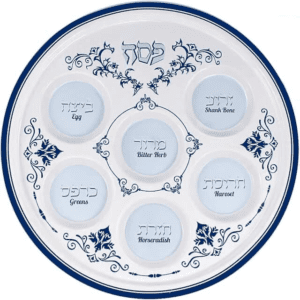
The focus of Pesach (Passover in Hebrew) is to remember what God did for His people when He rescued them from slavery in Egypt. The whole story is found in Exodus chapters 3-15 (it’s incredible!), but here’s a brief overview. The Passover celebration, combined with the Festival of Unleavened Bread (below), lasts eight days (seven in Israel), and a symbolic meal called a Seder, meaning “order,” is traditionally held on the first and second nights. Passover is celebratory rather than somber because it’s a reminder of our freedom and what God has done for us – both as His people and through our Messiah.
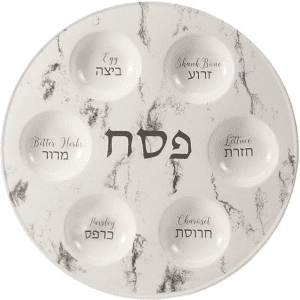
Elements of the Passover Seder include:
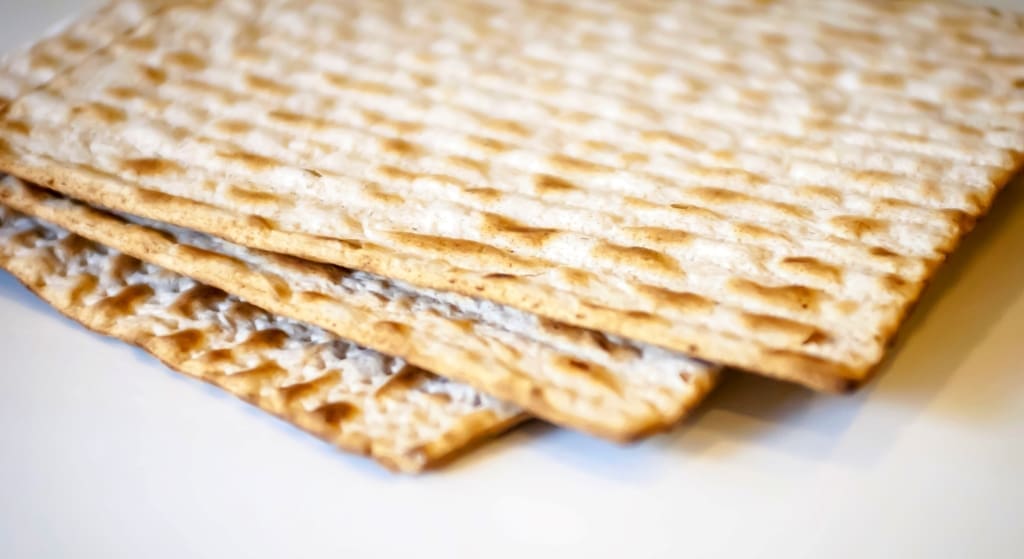
The Festival of Unleavened Bread takes place during Passover week. Although this seems like the remainder of the Passover week, the Bible separately mentions Chag HaMatzot, or the Festival of Unleavened Bread. It specifically says that we are to live these seven days without leaven, otherwise known as yeast. Biblically, yeast can symbolize sin in our lives (Matt. 16:6, 1 Cor. 5:6-8, and others). Called chametz in Hebrew, foods containing yeast are cleaned out of the homes of those participating in this festival.
This cleanout provides a beautiful picture of the sin in our lives and how we must work diligently to clean it all out. It also shows our need for a savior because we can’t get rid of all of it! It sounds difficult because it is, but I challenge you to do this with your family! Mine has had so many great conversations about invasive sin in our lives during this process and how difficult it is to get rid of. Even if a tiny bit is left, it can grow and take our lives over, just like it only takes a small amount of yeast to leaven the whole batch of dough.
The “deadline” for the leaven cleanout is the first night of Passover. Since yeast can naturally occur in grains mixed with water, many people rid their homes of wheat, oats, barley, spelt, and rye. Some very devout Jews go so far as to get rid of anything resembling a grain, including corn and beans. My family cleans out all leavening agents and their products. We include yeast, baking soda, baking powder, etc.
The second day of the Festival of Unleavened Bread is called The Day of First Fruits or Yom HaBikkurim. It marks the first day of the countdown to the next Feast, the Feast of Weeks, which occurs 50 days later. On the Day of First Fruits, the priest would wave a sheaf of green barley, an omer, to start the countdown. A male lamb would also be sacrificed. Today, people celebrate this day and the next 49 days as days of spiritual introspection. Since these days lead up to the day God’s Law (the Torah) was given, on the Feast of Weeks, they’re a time for preparation to receive the word of God.
One fantastic thing about First Fruits is that it’s thought to be the day that Jesus rose from the dead! Paul also refers to Jesus as the first fruits (1 Cor 15:20-23).
Christians know this Feast as Pentecost, and Jews as Shavuot. It is the fiftieth day and the conclusion of the counting of the omer, which started on the day of First Fruits. Shavuot is the day, 50 days or 7 Sabbaths plus one day, after the Exodus from Egypt, that the Ten Commandments were given to the Israelites on Mount Sinai. (Ex. 24). It’s also the day the Holy Spirit was given to the apostles (Acts 2:1-36), seven weeks after Jesus’s resurrection.
Out of respect for the Torah, or Law, being given to them by God, many Jews stay up all night on Shavuot, reading the Torah (the first five books of the Old Testament). Milk and honey are often served in some fashion as a reminder that God kept His promise to give a “land flowing with milk and honey” to His people (Lev. 20:24). Christians often celebrate Pentecost as the birth of the church – a celebration of our salvation and the gift of the Holy Spirit within us.
Also known as Rosh Hashanah or Yom Teruah, this solemn memorial Feast marks the beginning of the High Holy Days in autumn. It lasts two days and includes the following:
In the Temple’s absence, Jews celebrate the Feast of Trumpets with ten days of repentance and examination of their lives before God. After the ten days is the Day of Atonement.
As the first day of the Jewish year, hope for a “sweet” new year is expressed by eating apples dipped in honey. While straight challah loaves are served on the Sabbath and other Jewish celebrations, round challah is traditionally served during this Feast. A round challah can symbolize either the cyclic nature of the calendar year or a crown, a reminder that God is the King of the universe.
The Feast of Trumpets is a kind of Judgement Day, with the final verdict delivered on The Day of Atonement. In the New Testament, there are references to trumpet blowing combined with judgment, reminiscent of this Feast (Matt. 24:30-31, 1 Thess. 4:16-17, and Rev. 11:15).
Ten days after the Feast of Trumpets is the most important Holy Day, the Day of Atonement or Yom Kippur in Hebrew. This day included the sacrifices through which God would forgive the sins of His people as a group, not individually. The command was to make payment for their sins through offerings and to “humble their souls.” In these post-temple days, the Feast of Trumpets includes a 25-hour fast, giving to charity, and intense prayer focused on confession and repentance.
Other traditions on the Day of Atonement include wearing white to signify purity or burial clothing and thus the need for repentance. Messianic Jews and Hebraic Believers view this Feast similarly, but some change the focus to Jesus, the complete atonement for our sin. At the end of the Day of Atonement, a breakfast-type meal is served to break the day’s fast.
Five days after the Day of Atonement, this seven-day Feast is
called the Feast of Booths or Ingathering. It’s called Sukkot in Hebrew, meaning “booths” or “shelters.” Biblically, this harvest feast required sacrifices each day of the Feast.
Today, the Feast of Tabernacles is observed mainly by God’s people leaving their comfortable homes and living in a temporary dwelling called a sukkah in Hebrew. A sukkah is like a hut, with at least three sides, and its roof is made of leaves or branches and decorated with flowers or other décor. In doing this, they remember when God rescued them from slavery in Egypt and provided for them in the desert, as He also provides for us today and will forever.
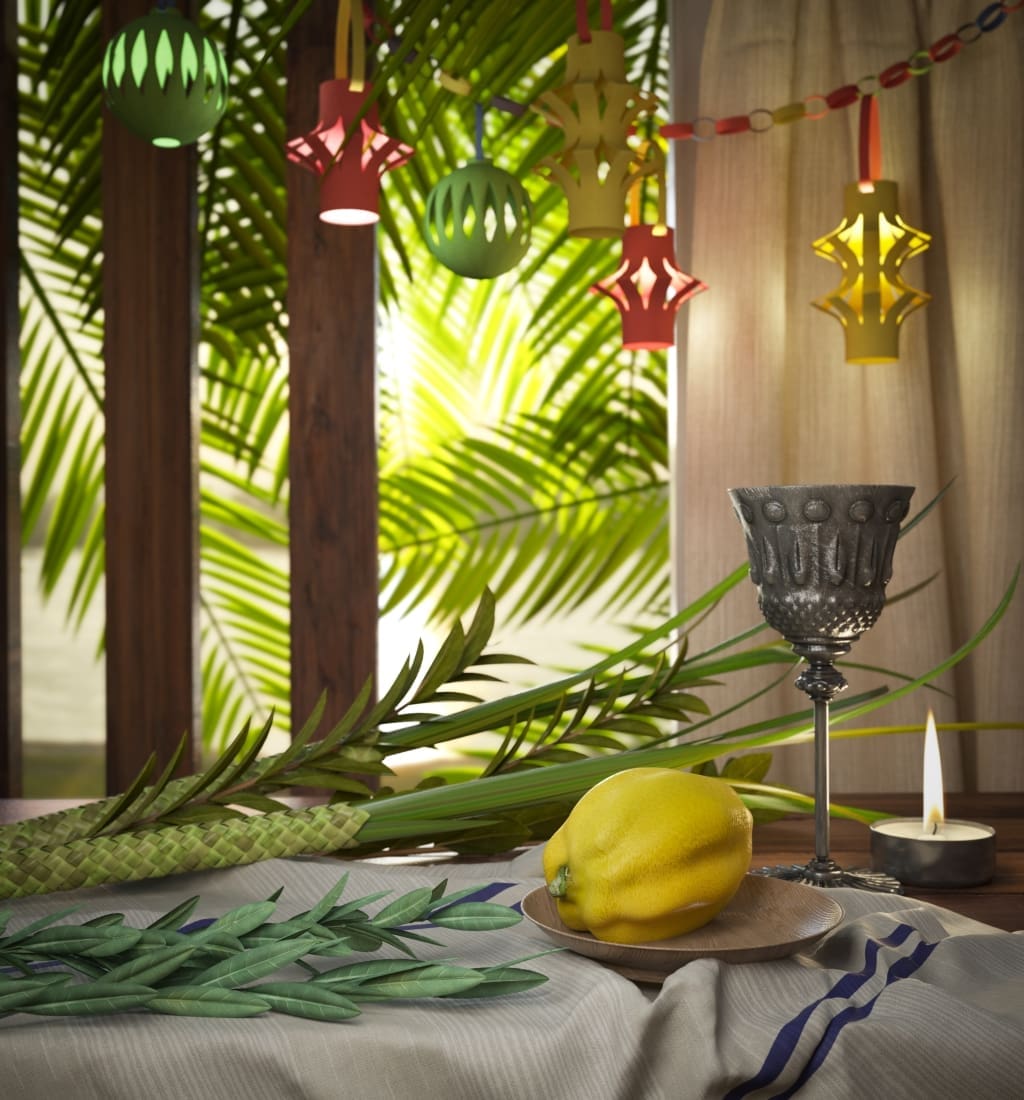
It is somewhat like a Thanksgiving Day Feast to thank God for His provision. In reference to Leviticus 23:40, waving or shaking four plants (the Four Species) from Israel – myrtle, palm, willow, and citron, is also done while a blessing is said.
It is also a celebration of God’s “tabernacling,” or coming to live with His people. On the Feast of Tabernacles, Jews looked forward to the day God would pour out His Spirit on His people as prophesied in Joel 2:28. In John 7, during the Feast of Booths, Jesus spoke of the Spirit being given and called it Living Water, which would be an eternal thirst quencher for the soul.
Although mentioned separately, the Eighth Day is simply the last and greatest day of the Feast of Tabernacles. This day is a Sabbath (even if it doesn’t fall on Saturday) and is more spiritual than the previous seven joyful days of the Feast of Tabernacles. Shemini Atzeret is this Feast’s Hebrew name, and its traditions vary. The Four Species is not waved on this day, and the sukkah may or may not be used. Different prayers are said than during the previous seven days, and a prayer for rain is often included.
The day following the Eighth Day is called Simchat Torah. It’s not one of the Biblical Holy Days. It’s a festive celebration, celebrating the end and subsequent beginning of the Jewish Torah reading cycle. It is a celebration of thanksgiving to God for giving His word to His people. This celebration is sometimes combined with the Eighth Day Feast.
** Free printable Calendar of Important Dates from Holy Branches! **
While these Feasts may initially be foreign to Christians, they add value and enrich our faith. Physical symbols and biblical celebrations remind us of what God has done, is, and will do in our lives. They give us engaging ways to pass our beliefs on to the next generation and provide our families with traditions that bind us together in our faith and as God’s kingdom here on earth.

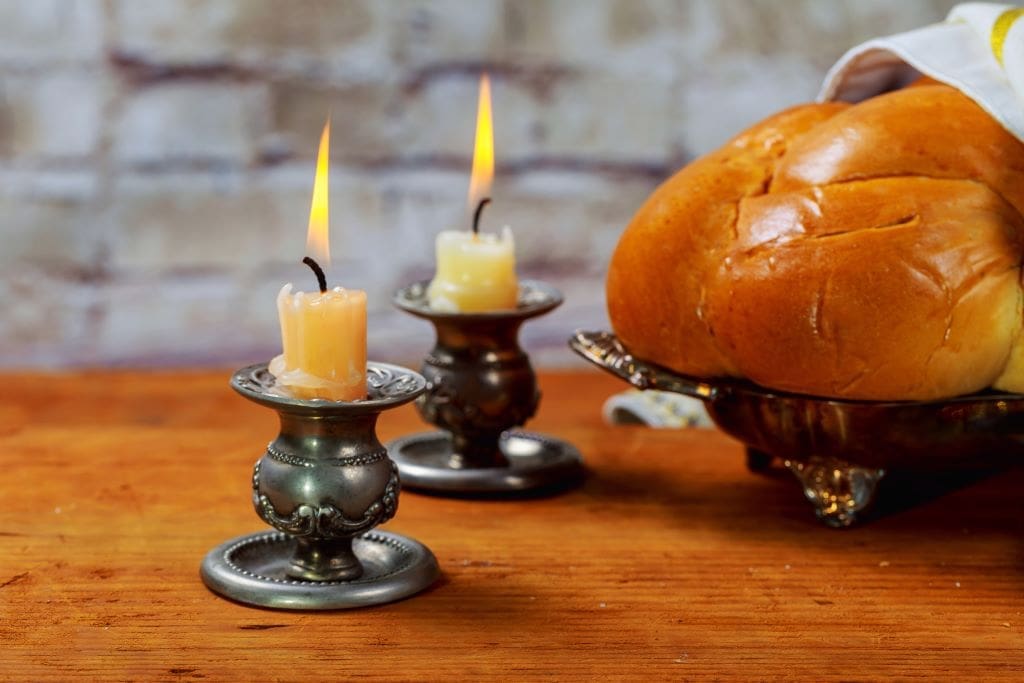
I’ve previously written about the importance of the Sabbath (Shabbat) and how to observe it. We light candles and say blessings to set the Sabbath apart from all other days.
In addition, there’s a tradition that reminds us when the Sabbath is over, and we return to our regular week. It’s called Havdalah. In Hebrew, Havdalah means “separation” and celebrates what a blessing the Sabbath is. It’s a way of both saying our goodbyes to it and looking forward to next week’s Sabbath. As our God has asked of us, Havdalah is another way to remember the Sabbath. It’s also how we can keep it holy and set it apart from the other days.
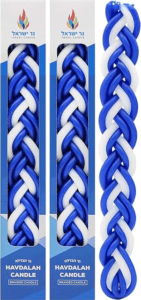
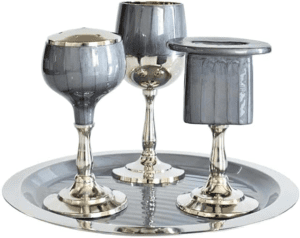
The three essential elements of the Havdalah service are a cup of wine, a braided, multi-wick candle to light, and fragrant spices. Held on Saturday evening, just after sundown, the Havdalah service is typically held at home instead of in a congregational setting.
Like other traditions, the order of a basic Havdalah ceremony varies among households.
Click here for a printable Step-by-Step Havdalah Guide
This blessing is the same one we say when we bring in the Shabbat called the HaGafen. Fill the cup to the very brim with wine. It’s okay if it overflows – that signifies our overflowing blessings. Recite the blessing, but don’t drink the wine until after the Havdalah service concludes.
In English:
Blessed are You, Lord our God, King of the universe, who creates the fruit of the vine. (Response: Amen)
In Hebrew:
בָּרוּךְ אַתָּה יהוה אֱֹלהֵינוּ מֶלֶךְ הָעוֹלָם בּוֹרֵא פְּרִי הַגָּפֶן
Transliteration of the Hebrew:
Ba-ruch a-tah A-do-nai, E-lo-hei-nu me-lech ha-olam, bo-rei pe-ri ha-ga-fen. (Response: “Amen”)
At the Havdalah service, we smell pleasantly fragrant spices to remind everyone of the blessing we’ve been given in the Sabbath. Cloves and cinnamon are the most often used spices, but hyssop, anise, and other spices can also be used. A blessing is then said over the spices.
In English:
Blessed are You, Lord our God, King of the universe, creator of different types of spices.
(Response: Amen)
In Hebrew:
בָּרוּךְ אַתָּה יהוה אֱֹלהֵינוּ מֶלֶךְ הָעוֹלָם בּוֹרֵא מִינֵי בְשָׂמִם
Transliteration of the Hebrew:
Ba-ruch a-tah A-do-nai, E-lo-hei-nu me-lech ha-olam, bo-rei mee-nei ve-sah-meem.
(Response: “Amen”)
By lighting the havdalah candle, we remember two things – that light was the first thing created by our God and that the Sabbath is over, and we begin our work, our “creating.” Lighting the candle represents our first act or work of the week, as many don’t light candles on the Sabbath due to Exodus 35:3.
In English:
Blessed are You, Lord our God, King of the universe, creator of the light of the fire.
(Response: Amen)
In Hebrew:
בָּרוּךְ אַתָּה יהוה אֱֹלהֵינוּ מֶלֶךְ הָעוֹלָם בּוֹרֵא מְאוֹרֵי הָאֵשׁ
Transliteration of the Hebrew:
Ba-ruch a-tah A-do-nai, E-lo-hei-nu me-lech ha-olam, bo-rei meh-or-ee ha-esh.
(Response: “Amen”)
The final blessing brings it all together. Havdalah is to distinguish the sacred from the common, the holy from the unholy. It states that the holy Shabbat has ended, and the work week has begun. This blessing praises God for separating. While this may seem strange, think of all the separating God does. He separated the light from darkness, the waters from the heavens, the seas from the dry land, the Sabbath from the rest of the week, His people from among the nations, etc.
In the command to keep the Sabbath, we must keep it holy. Keeping it holy means we’re to set it apart from the rest of the days of the week. Havdalah is one way to keep the Sabbath holy – we’re deliberately separating it from the other days of the week. Here’s the blessing over separation, called the Hamavdil.
In English:
Blessed are You, Lord our God, King of the universe, who distinguishes between the holy and the profane, light and darkness, between Israel and the nations, between the seventh day and the six days of work. Blessed are you, Lord, who separates between the holy and the profane. (Response: Amen)
In Hebrew:
בָּרוּךְ אַתָּה יהוה אֱֹלהֵינוּ מֶלֶךְ הָעוֹלָם הַמַּבְדִּיל בֵּין קדֶשׁ לְחוֹל
, בֵּין אוֹר לְחֹשֶׁך, בֵּין יִשְׂרָאֵל לָאַםִּים, בֵּין יוֹם הַשְׁבִיעִי לְשֶׁשֶׁת יְמֵי הַםַּעֲשֶׂה
בָּרוּךְ אַתָּה יהוה הַמַּבְדִּיל בֵּין קדֶשׁ לְחוֹל
Transliteration of the Hebrew:
Ba-ruch a-tah A-do-nai, E-lo-hei-nu me-lech ha-olam, ha-mahv-dil ben ko-desh leh-chol, ben or leh-cho-shech ben yees-ra-el la-a-meem ben yom hash-vee-ee leh-sheh-sheht yeh-mei ha-mah-ah-seh. Ba-ruch a-tah A-do-nai ha-mahv-dil ben ko-desh leh-chol.
(Response: “Amen”)
After the blessings, take a drink of the wine. The havdalah candle is then extinguished in the wine that overflowed from the cup, symbolizing that the Shabbat is now over. Everyone can now wish each other a “Shavua Tov” – a good week!
Click here for a printable Step-by-Step Havdalah Guide
A Havdalah service is important because it separates the holiness of the Sabbath from the other days of the week. Instead of just being another day, the Sabbath is separated with the Shabbat service on Friday evening and the Havdalah on Saturday evening. This clear separation is not only one way we can honor God’s command to keep the Sabbath holy. It’s also a way to align our week with His calendar and receive even more blessings by living according to His ways!

Does God really care that much whether we keep the Sabbath? What difference does taking a day off work make? Couldn’t we take a vacation for rest or worship Him at any convenient time?
A basic rule of Bible study is to pay special attention to the things God repeats in His Word. The concept of the Sabbath is repeated numerous times, beginning at the very beginning when God rested after the creation of our universe. Sabbath keeping is worded as a command 27 times, and there are many other places where it is discussed further. It’s not only one of the Ten Commandments; God also calls it a sign of the covenant between Him and His people forever!
I want to point out that I know the subject of the Sabbath creates some division among Christians. There are Godly Christ-followers on both sides of the Sabbath conversation, and many have strong feelings about it. I’ll present here the conclusion my family has reached in our pursuit of God’s will in our lives, and I hope these words will fall on open ears and hearts, no matter your beliefs on the issue. Like every other aspect of the life of a believer, we must take our questions to God and His Word and use our discernment through the Holy Spirit to decide what we do and do not do.
“Remember the sabbath day, to keep it holy.”
Ex. 20:8 (NASB)
That one’s pretty simple. Remember it and keep it holy. Got it. Then it gets more serious.
Therefore you are to observe the sabbath, for it is holy to you. Everyone who profanes it shall surely be put to death; for whoever does any work on it, that person shall be cut off from among his people.
Ex. 31:14-15 (NASB)
“For six days work may be done, but on the seventh day you shall have a holy day, a sabbath of complete rest to the Lord; whoever does any work on it shall be put to death.
Ex. 35:2 (NASB)
While we don’t put those who ignore the Sabbath to death, these verses make it obvious how God feels about it. Besides being commanded by God, violating the Sabbath carried a stiff punishment in Old Testament times.
Looking at what God says about the Sabbath through His prophet Ezekiel (Ez. 20-23) is even more sobering. He considered wiping out the entire nation of Israel for profaning the Sabbath and rejecting God’s other ordinances. Yikes!
But why does He care so much? Why does my taking a day off of work – or not – make any difference to God?
The Sabbath isn’t just a day of rest. It’s a sign that we belong to God.
I gave them My sabbaths to be a sign between Me and them, that they might know that I am the Lord who sanctifies them.
Ez 20:12 (NASB)
Sanctify My sabbaths; and they shall be a sign between Me and you, that you may know that I am the Lord your God.’
Ez. 20:20 (NASB)
God created all people, and many claim to belong to Him, but He clarifies in His Word that keeping the Sabbath is the sign that we acknowledge that He’s our God and we’re His people.
I’ve heard baptism metaphorically explained like a wedding ring. Accepting Jesus as your Savior seals your place in the Kingdom of Heaven. Baptism is your outward expression of that decision to the world, just as the wedding is what makes you married, but the ring is how you show that decision to the public.
The Sabbath is much the same. When we accept Jesus, we belong to God. He is our God, and we are His people. Keeping the Sabbath is the external signal to God, the world, and ourselves that we’ve made that decision. Ignoring the Sabbath is like keeping our relationship with God a secret. We may indeed be His people, but we’re unwilling to expose that to the public in the action of observing the Sabbath.
I want to make this part very clear. Keeping the Sabbath doesn’t save us! Belief in Jesus as the only sacrifice for our sin does (Rom. 10:9-10). However, when we fail to keep the Sabbath, we give up the opportunity to show God and those around us who we belong to. That’s why it’s so serious.
Jesus and his disciples gathered grain on the Sabbath as they traveled. While this was permitted by law, the Pharisees tried to trap Jesus since he did it on the Sabbath. But gathering grain wasn’t against any biblical command concerning the Sabbath. Not gathering grain was a Rabbinical addition to God’s command. When asked about this, Jesus didn’t say, “I’m here now, so the Sabbath is no longer relevant.” Although this would have been the perfect time to point out that we no longer needed to keep the Sabbath, he instead tried to teach them what God says about mercy (Matt. 12:1-8).
Nowhere in his recorded words does Jesus say to stop keeping the Sabbath – before or after his resurrection. In fact, Jesus says that he came not to abolish the Law but to fulfill it (Matt 5:17). He clarified that the Law isn’t gone because of his arrival on Earth or his work on the cross. He’s the Messiah, the one who kept every one of the commands in the Torah – The Holy Days, the 10 Commandments, eating a Kosher diet, Keeping the Sabbath, all of it. We could say he just did those things because he was born of Jewish heritage, but remember that it was his perfect keeping of these “Jewish” laws that made him the only one on Earth throughout history that qualified as a sacrifice for the sin of all. Let that sink in.
If the Sabbath was meant to be temporary, why didn’t God say that? Sabbath-keeping was such a big deal in both the Old Testament and among the Messianic Jews who made up the early church; why didn’t God clarify that it was no longer necessary?
Exodus 31:16, Leviticus 16:31, and 24:8 all say that the Sabbath is permanent. It doesn’t say that it will be abolished when the Messiah comes or that it’s only necessary during the wandering in the desert or while the Temple is standing. It’s forever—throughout all generations of God’s people.
The Ten Commandments, including the fourth—the one about the Sabbath—were given to the Hebrew people, later called the people of Israel. In other places, such as Isaiah 56, it was stated that foreigners would receive blessings from keeping the commands of God—the Sabbath and others. Exodus 20:10 says that even a sojourner staying with a Hebrew should observe the Sabbath with the rest of the household.
Unless you’re Jewish by heritage, you’re a Gentile and cannot change that by obeying the commands God gave to Israel. However, the apostle Paul lays out how we’re grafted in to the promises God gave Israel through our faith in Jesus. It’s important to realize that, because of this, the promises, commands, and blessings God gave to Israel are now extended to us as well.
The Sabbath is not only for people everywhere but also for other parts of God’s creation. He commands that the land and livestock should also have a Sabbath. Many places say this, and here are a couple.
but the seventh day is a sabbath of the Lord your God; in it you shall not do any work, you or your son or your daughter, your male or your female servant or your cattle or your sojourner who stays with you.
Ex. 20:10 (NASB)
but during the seventh year the land shall have a sabbath rest, a sabbath to the Lord; you shall not sow your field nor prune your vineyard.
Lev. 25:4 (NASB)
We all know why it’s essential for humans and even animals to rest, but God also sees benefit in the land itself taking a break from its job of producing.
But it’s not just creation that takes a Sabbath. We can look back at Genesis to remind us that even the Creator Himself took a Sabbath after His miraculous creation work. Chapter 2 tells us that that’s when He blessed the day, making it holy, as only God can do.
You may be feeling awkward right now if you learned something new about the Sabbath or have recently been convicted of not keeping it God’s way like I was. Don’t throw in the towel, though. Just because those around you don’t keep the Sabbath or think it’s optional or unimportant to God doesn’t mean you have to follow their path. Even if you’ve never kept the Sabbath, here are a few things to set you on your way to a peaceful and God-pleasing one.
While we know this should be where we start in any step we take in our faith walk, we sometimes forget it. Ask God what He wants for you and your family regarding the Sabbath. Be ready to hear His answer, even if it may not be what you were expecting. Dig into His Word to see what He has to say about the Sabbath, and ask Him to show you what that should look like in your life.
When our family got serious about Sabbath-keeping, it wasn’t easy at first! We had to restructure our whole week to incorporate the Sabbath, and it took a few years to get it right. We’re not perfect at it now, but we regularly have holy, peaceful Sabbaths and continue to learn and grow more toward that each week.
Here’s what my family does on the Sabbath to give you ideas of where to start. Don’t strive toward your expectation of what a Sabbath should look like. Instead, make it a day to grow closer to God, your family, and others. Continually learn and grow in the direction God takes you.
Our family finds it most beneficial to observe a traditional Jewish-type Sabbath. While this may not work for all families, it has given us the focus, discipline, and other tools we needed to make Sabbath-keeping a tradition in our home. Learning about and employing one Sabbath tradition at a time may help everyone adjust.
Keeping the Sabbath doesn’t work well without this one—trust me—I’ve tried! Make a list of things that need to be done ahead of time to ensure the Sabbath is as work-free as possible. Organize that list according to when each item can be done and spread the work over the days of the week. Planning this way will prevent you from trying to squish a week’s worth of chores and cooking into your Friday afternoon, causing you to arrive at the Sabbath worn out and stressed.
The Bible clearly shows that the Sabbath is essential to God and should be to us. Just that should cause us to take our Sabbaths seriously and remember them as God told us to. But Jesus also pointed out that the Sabbath was made for man and not man for the Sabbath (Mk. 2:27). While we do it to show that we belong to God, we also keep the Sabbath because we know we’re all in desperate need of some quality rest – both the kind you get from taking a day off of work and the perfect and eternal peace we can only find in our Savior.

The celebration of Passover has become more common among Christians in recent years. This celebration is so beneficial because Passover has many elements that point to our Messiah and highlight the greatness of our God and His love for us!
But did you know other holidays celebrate our God and Savior while honoring the Jewish history of our faith? Some of them are Biblical, and others are traditionally Jewish in our culture but also have implications for us as Gentile believers.
Adding these significant days to your family’s legacy can enrich and deepen your faith and help you pass it on to your children and others. It can even bring you and your family closer to God and Jesus as we learn more about them through observation of these meaningful times.
Here are some that are the most directly connected to the practice of our faith as Christians, especially as it relates to our Jewish roots.
Purim is the celebration of God’s deliverance of the Jewish people through Queen Esther. A man named Haman was plotting their destruction, but Esther bravely approached the king and revealed her identity as a Jew to encourage him to save her people. He did and had Haman executed instead.
As Christians, we’re familiar with persecution and how God orchestrates historical events that affect His people. We can celebrate that Esther was in the place she was because God knew what the need for her to be there would be and made her an instrument for His plan.
Purim is a fun celebration. Both children and adults dress as characters from the story and act it out in dramatic fashion. It is held on the 14th day of Adar on the Hebrew calendar, corresponding to February or March on our Gregorian calendar.
This celebration commemorates God’s rescuing the Israelites from slavery under the Egyptians. Its relevance to Christians is very basically two-fold. Firstly, since we are also God’s people, we have a part in this history, and secondly, we have been rescued from the slavery of our sin by the blood of Jesus.

Biblically, Passover is to be celebrated on the “fourteenth day of the first month.” On the Hebrew calendar, it starts on the fourteenth day of the month of Nisan, which corresponds with our Gregorian calendar, which is sometime in March or April.
This somber observance was established in 1953. It’s a national holiday in Israel to remember the Holocaust in Europe during World War II and the murder of over six million Jewish people, including children. This remembrance occurs on the 27th day of Nisan on the Hebrew calendar, during March or April.
Why should Gentile (non-Jew) Christians observe Holocaust Remembrance Day? Romans 1:16 tells us that salvation came first to the Jew and then to the Greek (Rom. 1:16). Christians are the Gentile believers that are “grafted in” to the promises to God’s people described in Romans 11.
Throughout the Old Testament, God clarifies that the Jewish people are His chosen people. He made a covenant with Abraham concerning their lineage throughout history and brought the Savior to the world through the Jewish line. God also says that He will never abandon the Jewish people.
If the Jewish people are this important to God and are the roots of the tree we’re grafted into; we must be concerned with their well-being in our day and throughout history. The tragedy that struck as the Holocaust brutally and senselessly extinguished the lives of so many people precious to God (Jews and others) must never be forgotten, and its horrors never repeated.
I combine these two celebrations because they’re similar in meaning and history. Before the Holy Spirit appeared as tongues of fire and inhabited the Apostles in Acts 2, this time was known as Shavuot or the Feast of Weeks.
It was commanded in Leviticus 23 and was a type of harvest festival that was to occur 50 days after the Passover. Also recognized on this date is the gift of God’s Laws being given to His people on Mt. Sinai. Shavuot is what the Apostles were celebrating when they were “gathered” when God’s Spirit was given to them.
They would have realized the significance of the gift of God’s Spirit being given specifically on this day during a celebration of the gift of God’s Word being given as well. Jesus also foretold it when he said they’d be baptized by the Spirit in Acts 1:4-5.
The command says it is to take place on the 6th and 7th of the month of Sivan. It is to be observed 50 days (or 7 Sabbaths and one day) after the Day of Firstfruits during the Feast of Unleavened Bread (when the Passover and Exodus from Egypt occurred).
This holiday is commonly known as the Jewish New Year and is called Yom Teruah in the Bible. It was designated the first day of the new year primarily for year-counting purposes, but it’s also one of the commanded Feasts in Leviticus 23. It was a two-day festival during which trumpets (shofars) were blown and sacrifices were performed.
Today, it marks the beginning of the High Holy Days in Autumn. It’s a time when people examine their lives, seek to rid them of their old, sinful ways, and make a change for the better. In this way, it’s a lot like the American New Year, but it’s also a type of Judgment Day or the beginning of a season of judgment for the Jewish people.
Christians can remember on Rosh Hashanah that we will be judged with Jesus as our substitute. We can also examine our lives and see whether we’re living in a way that expresses the joy of this salvation. The command to blow a trumpet on this day should cause us to look forward to the day when Jesus has returned and the dead are raised (1 Cor. 15:52).
The Feast of Trumpets occurs on the 1st and 2nd days of the month of Tishrei on the Hebrew calendar and in September or October on the Gregorian calendar.
This Holy Day is another of the commanded Feasts in Leviticus 23. It’s observed ten days after Rosh Hashanah and is a day of confession and repentance. Biblically, it was a day when sacrifices were offered for the people’s sins. As Christians, this is a day we can celebrate the mercy we have been given in having our sins fully atoned for by Jesus!
The date is the 10th of Tishrei, which occurs in September or October.
Another Holy Day from Leviticus 23, Sukkot, is a seven-day celebration, five days after the Day of Atonement. Also known as the Feast of Booths, it is a time when people leave the comfort of their homes and live in temporary shelters.
This celebration serves to appreciate God’s provision for us and to celebrate God being among His people on earth. Christians can be even more thankful at the time of Sukkot for Jesus, who, as God, came down to earth to be with us.
This day is the day just following the last day of Sukkot. It’s on the 22nd day of Tishrei, which falls in September or October. It is the final commanded Feast in the List in Leviticus 23.
It’s a day to remain with God and rest in His provision, even after the previous seven have been focused on Him. This day is more spiritual and considered greater than the 7 of Sukkot. A formal prayer for rain is often said, and it’s said to be a time to store the memories of what God has provided in our hearts.
This celebration is not in the Bible but is a great way to thank and praise God for giving us His Word! It’s held on the 22nd day of Tishrei and is also known as “rejoicing in the Torah.”
Jews and Christians enjoy the immense blessing through the words and commands God Gave us in the Torah (the first five books of the Bible) and the rest of His Word. Simchat Torah’s joyful celebration marks the end of the annual Torah reading cycle and the beginning of a new one. When celebrated in a synagogue, there is dancing and singing, and it’s a beautiful time of worship.
Although not a commanded Holy Day, Jesus celebrates it in the Book of John. It commemorates the dedication of the rebuilt temple after the Babylonians destroyed Solomon’s temple.
The story of Hanukkah is miraculous. The Jewish people were vastly outnumbered as they decided to fight against the destruction of their people and culture and the blasphemy of God. God was with them as they fought, and they were victorious!
Celebrated from the 25th of Kislev to the 2nd or 3rd day of Tevet on the Hebrew calendar, Hanukkah falls in late November or December.
Christians can celebrate God’s power displayed in His people and the victory over persecution. We are also interested in this day as we can see Jesus having shown up in Jerusalem for its celebration, translated as the Feast of Dedication. At this time, Jesus said that his sheep would never perish and that no one could snatch them out of his or His Father’s hand.

Here’s a calendar of the dates of these important days. Print out the free PDF version to keep handy in planning for these days.
Having a Jewish calendar to see what holidays are approaching and plan for them is helpful. Many are out there, but I like the First Fruits of Zion calendar best!
I hope observing these holidays brings you joy, deepens your Christian faith, and provides yet another way to pass your faith on in your family’s legacy, as they have for my family. I’ll continue to post ways for Christian families to observe these meaningful days on the Hebrew Roots Mom website, so stay tuned!

According to the Bible, there are seven Feasts that God calls His Feasts (Lev. 23:2, Ez. 44:24) and commands His people to keep. Although it became rare for Christians to keep these Feasts in recent times, many are returning to a more Biblical way of life and realizing all that God has to teach us through these Feasts!
Each Feast teaches us about our God’s attributes. By observing these Feasts, we can learn what a wonderful God He is! The Feasts also teach us about ourselves, how we should live as His people, and what our relationship with Him should look like.
These Feasts are also prophetic. When God commanded them, he wanted His people to look back on what He had done for them in the past and forward to the rest of the story of Him and His people.
One important thing – the Sabbath is covered before these Feasts are listed in the Bible. It’s the holiest of all the Feasts, and observing it demonstrates to God, others, and ourselves that we belong to God. Although it’s not on this list, it’s of great importance in the life of any Believer. For more info on the Sabbath and how to keep it, visit this page.
Below, I will cover each Feast very briefly. Know that, with each Feast, you can go more into the practices, symbolism, sacrifices, where they occur in the Bible, etc., and learn more of what God has for you with each of them. Here, I want to cover the basics for those who want to see just a summary of these Feasts and their meanings.
Print-friendly PDF Biblical Feast Chart
Passover is the first Feast of the year, commemorating the Exodus from Egypt. It helps us remember how God redeemed His people from captivity and brought them out so they could freely worship Him. Like the blood on the doorways of the Hebrew people in Egypt was a protective covering from the plague of the firstborn, the blood of Jesus provides a covering for our sin.
Passover (Pesach in Hebrew, meaning “skip”) is usually celebrated with a seder. In this seder, the story of the Exodus is retold, and each aspect of it is “experienced” by the participants. It’s a time of celebration, and each element of the seder represents a part of this incredible story.
Just after Passover is the Feast of Unleavened Bread. Observing this Feast is to remember the Exodus further and that the Israelites needed to flee Egypt in a hurry and didn’t have time to leaven their dough before leaving. Leaven often represents sin in the Bible, so the lack of leaven represents sinlessness. Jesus fulfilled this Feast by following the Laws of the Torah and was, therefore, a pure candidate for atonement.
Unleavened Bread is called Matzah in Hebrew, so this Feast is Biblically called the Feast of Matzah. It is observed by eating unleavened bread for seven days and even cleaning all the leaven out of the home (Ex. 12:19). The first and seventh days of Unleavened Bread are Sabbaths.
First Fruits
The first of something, like the harvest, firstborn child, or firstborn animals, were given to God as an offering, thanking Him for providing and putting faith in Him to continue to provide in the future (Deut. 26:1; Ex. 13:1-2, 11-16). During the Feast of Unleavened Bread, First Fruits is a time to bring the first of what we reap to God and look to Jesus as the first and best offering to God. He’s also the first of those to be raised from the grave (1 Cor. 15:20).
The Hebrew word for First Fruits is Bikkurim, which comes from the same root word as the word for “firstborn,” which is bekhor. It’s commonly thought that Jesus rose from the dead on First Fruits, so many celebrate his resurrection during this two-day celebration.
Starting on First Fruits, many “count the omer.” This practice comes from Leviticus 23:15-16, where God says to count 7 Sabbaths or 50 days from First Fruits, then to observe Shavuot. We symbolically prepare our hearts to receive the Law and the Spirit during this time, and Shavuot is a Sabbath.
Shavuot is a time to celebrate God giving us His Law (Yes, it’s worth celebrating!) and eventually His Spirit to live in us. His Law was given on Mount Sinai, and the prophetic side of this Feast (Jere. 31:33) was fulfilled when the Spirit was given, and the Law was no longer external but written on our hearts instead.
The word Shavuot means “weeks.” It’s also known as Pentecost, which comes from a Greek word meaning “fiftieth.” Biblically, Shavuot includes an offering from the wheat harvest, a sign of gratitude to God for providing through the land. To further celebrate the giving of the land, milk and honey (or recipes containing the two) are often eaten on Shavuot. It’s also a time to celebrate the Law and the Spirit, showing that we’re thankful for both.
This Feast is often confused with Rosh Hashanah, but they are different celebrations, and you can read more about the differences here. Yom Teruah is another Sabbath, observed on the first day of the seventh month, and it’s supposed to be “a reminder by blowing of trumpets.”
A “teruah” or trumpet blast is heard in the Bible when God’s doing something incredible. What we remember on Yom Teruah are all of the awesome things our God has done throughout time. Prophetically, we look forward to the day we hear the “teruah” announcing the return of our Savior!
This day is observed at sundown by looking for the New Moon (indicating the first day of the month has started) and blowing the shofar when it’s spotted. Some mix traditions from Rosh Hashanah and Yom Teruah, celebrating the beginning of the Hebrew calendar year at this time.
The tenth day of the month of Tishrei is Yom Kippur. Yom Kippur is when the priest made atonement for the nation of Israel in the days of the Temple. It’s a Sabbath, and the Bible says we’re to be “humbled” or “afflicted” on this day. This Holy Day is more somber and focused, less celebratory, where people wear white, attend services, and fast.
On Yom Kippur, we can look to Jesus and be grateful for his covering (Kippur means “covering”) of our sin in response to our repentance. As a people, though, we need to repent, pray for God’s mercy, and turn to Him for forgiveness. Yom Kippur is a day when we examine our actions and those of our nation, repent where needed, and turn back to the path God wants us to take.
The prophecy in Yom Kippur is that we look forward to a time when Jesus will be the judge. It will be up to him who enters God’s Kingdom and who doesn’t.
Sukkot is the last of the Holy Days on the Biblical calendar. It’s a joyful celebration lasting eight days, starting on the fifteenth day of the seventh month on the Biblical calendar, also known as Tishrei. The first and last of the eight days of Sukkot are Sabbaths.
According to the command for Sukkot in Leviticus 23, God’s people are to celebrate by living in temporary dwellings called Sukkot. God says this is to remind us that God had the people live in dwellings like these when He brought them out of Egypt. During Sukkot, we remember many things – that God provides, that God supernaturally rescued the Hebrew people and provided for them in the wilderness, and that He sent Jesus to “tabernacle” or temporarily dwell with us on earth.
Sukkot is also prophetic in that there will be one day when Jesus will not just tabernacle but will live among us on earth. It points forward to the wedding feast, where we, as God’s people, will finally be joined with Jesus and live with him physically among us, ruling on earth.
Print-friendly PDF Biblical Feast Chart
This article is just a summary of each of these Holy Days, but don’t stop here in your study of them. God has so much for you to learn as you study these meaningful Feasts that He calls His. Explore them further by browsing the Traditions category on HolyBranches.com or in my book, Bring Shalom to Your Home.


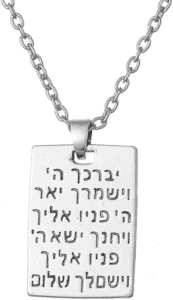
The Aaronic Blessing, also known as the Priestly Blessing, is commonly known among Christians, and it’s said after the service in Christian churches of many denominations and Jewish synagogues. Aside from being a nice thing to say before congregants exit the sanctuary, why is it said, and where does it come from?
This blessing was God’s idea as He instructed Moses to tell Aaron and his sons to bless the people of Israel using these words. In the book of Numbers, where this blessing is found, the Israelites are experiencing their newfound freedom from their Egyptian captors. In the Sinai wilderness, God’s giving them instructions for their new desert lifestyle as free people. God also provides directives for the priesthood, including a specific command to bless the people using what is commonly referred to as the Aaronic blessing.
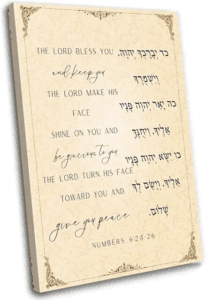
Then the Lord spoke to Moses, saying, “Speak to Aaron and to his sons, saying, ‘Thus you shall bless the sons of Israel. You shall say to them:
The Lord bless you, and keep you;
The Lord make His face shine on you,
And be gracious to you;
The Lord lift up His countenance on you,
And give you peace.’
So they shall invoke My name on the sons of Israel, and I then will bless them.”
Num. 6:22-27
One exciting thing you’ll notice as you learn about the blessings is that there’s a progression in the bible of who was allowed to give a blessing. At first, only God had the authority to bless, and he then extended it to some of the patriarchs and then to priests. Some incidences of Aaron blessing the people in God’s name are found in Leviticus and Deuteronomy (Lev. 9:22 and Deut. 10:8 and 21:5).
In an archeological site on the old road from Jerusalem to Bethlehem, what are possibly the oldest surviving Hebrew texts were found in 1979. In ancient Paleo-Hebrew, the Aaronic Blessing was written on two scrolls made of silver found in an ancient burial site. Aptly named “The Silver Scrolls,” they were dated back to the First Temple period and were possibly used as an amulet to ward off evil. If true, this would be another of many unfortunate examples of pagan customs infiltrating God’s people even back then. But what a fantastic find!
Today, God’s people are blessed using this same blessing in synagogues worldwide. In Judaism, it used to be that only priests would give this blessing, but it’s now extended to rabbis and worship leaders.
In a synagogue, when the congregants are blessed, the one performing the blessing raises his hands as Aaron did, as recorded in the Bible (Lev. 9:22). This practice has been nicknamed “the raising of the hands.” He also extends his prayer shawl or tallit over his head and his hands as he recites the blessing to indicate reverence and to obey the biblical command to have fringes or tzitzit on the corners of one’s clothing. Some hold their hands in the shape of a shin (ש), the Hebrew letter at the beginning of the word Shaddai, a name for God. The blessing is most commonly recited in Hebrew, but other languages are used depending on the audience.
On the evening of the Sabbath, Friday evening, this blessing is often said over the children of the house by many Jews and some Christians. It’s accompanied by requests for God to make them like Ephraim and Manasseh (boys) or Sarah, Rebekah, Rachel, and Leah (girls). Whether in English or Hebrew, the one blessing usually puts their hands on or above the one(s) being blessed and then says the blessing.

As grafted-in Gentiles, we can take part in the promises extended to Israel and gain nourishment from the same roots from which they thrive – God Himself! When we accepted Jesus as our savior, we officially joined the Kingdom of God, which started with the nation of Israel in the Old Testament.
Under the New Covenant, where God’s Word has been written on our hearts through the Holy Spirit as believers in Jesus, we entered the priesthood ourselves. Revelation 1:5-6 says that Jesus’s blood made us priests to God! We can bless God’s people in His name, and He does indeed bless through it due to the power in His name.
The LORD bless you and keep you
(Yverkah’kha Adonai v’yeeshm’rekha; – יְבָרֶכְךָ יְיָ וְיִשְׁמְרֶךָ׃)
Adonai is written and said in this phrase instead of the tetragrammaton, YHVH, which is not said to avoid profaning God’s name.
The word “bless” here means “to affirm or revere,” and the word “keep” means “to protect or watch.”
The LORD make His face to shine upon you
(Ya’ayr Adonai panav ‘aylekha – יָאֵר יְיָ פָּנָין אֵלֶיךָ)
“Face” here is a noun and can be either “face,” literally, or “front” as well.
And be gracious unto you
(Veekhoonekha; – וׅיחֻנֶּךָ׃)
Translated here as “gracious,” this word means “to show pity or favor.”
The LORD lift up His countenance upon you
(Yeesa’ Adonai panav ‘aylekha – יׅשָּׂא יְיָ פָּנָיו אֵלֶיךָ)
This phrase is an idiom (a saying) meaning “He looks at you with peace and blessing.”
And give you peace.
(V’yasaym l’kha shalom. – וְיָשֵׂם לְךָ שָׁלוֺם)
Beyond just peace, shalom’s meaning also includes wholeness and completeness. And who of us doesn’t want God’s perfect peace?
If this article has moved you to use the Aaronic Blessing to bless your children, please don’t let the learning process or the newness of doing so prevent you! I encourage you to continue this blessing once you start, as it may be awkward at first but will become among your family’s most treasured moments, as it has become in mine.

And I’ll conclude this way with all of you, brothers and sisters, in my mind and heart:
The LORD bless you and keep you
The LORD make His face to shine on you and be gracious unto you
The LORD lift up His countenance upon you
And give you peace.


There stands in the Old City of Jerusalem a 2,000-year-old wall of limestone. Its beautifully chiseled ancient stones are of historical interest but have fueled much religious and political tension throughout its existence. But why this wall? Why is it worth all the strife and spilled blood surrounding it? Why do millions of people come from all over the world to visit this 187-foot section of wall – sometimes over 1 million people in just one month?
To fully understand the significance of The Wall, we must have at least a basic understanding of Mount Moriah. Now called the Temple Mount, and a seemingly small area comparatively, many significant acts of faith took place in this very spot. On Mount Moriah, Abraham took Isaac to sacrifice him out of obedience to God. Abraham named this area “the LORD will provide” after God provided a ram to be offered in Isaac’s place.
1 Chronicles 21:18-30 and 2 Chronicles 3:1 describe Mount Moriah as the place God appeared to David and answered his prayer to end the plague on his people. It’s also the site of the threshing floor that David purchased for the Temple to be built. Ornan (or Araunah, depending on your translation), the floor’s previous owner, offered to give it to him, but David said he wouldn’t offer to God that which cost him nothing and paid for it anyway. Doesn’t that show us what’s going on in David’s heart? Service to God isn’t really sacrificing if it costs us nothing!
Solomon then built the Temple on Mount Moriah, which was later rebuilt after the first Temple was destroyed. Many places in the Bible (Daniel, Ezekiel, and Revelation, among others) indicate that there will be a holy temple in the future. Scripture suggests that Mount Moriah will again be where God inhabits His Temple.
Built almost 3,000 years ago on Mount Moriah, in the 10th century BCE, the Temple for God was among the grandest of structures in history. Read about it in 1 Kings 6-8. It was indeed a work of art! During his reign, building the Temple was on David’s heart but was later constructed by his son, Solomon. This Temple wasn’t just a beautiful church building. Called the house of God in the Bible, it contained the Ark of the Covenant in the Holy of Holies and was where sacrifices were carried out according to the Laws of God. The design came from God and was given to David (1 Ch. 28:19), who then passed it on to his son when the time came for it to be built.
In 1 Kings 8 and 2 Chronicles 5, it’s recorded that the presence of God showed up in the form of a cloud during the dedication of the Temple. When the priests exited the Holy of Holies, the innermost part of the Temple, after placing the Ark of the Covenant there, the glory of God filled the Temple in the form of a cloud. The Bible says that cloud permeated the building, so the priests couldn’t even stand to minister! Clearly, God thought highly of the Temple King Solomon had built for Him!
In about 587 BCE, the city of Jerusalem was occupied and taken over by the Babylonians. King Nebuchadnezzar II had not only Solomon’s Temple destroyed but all of Jerusalem burned.
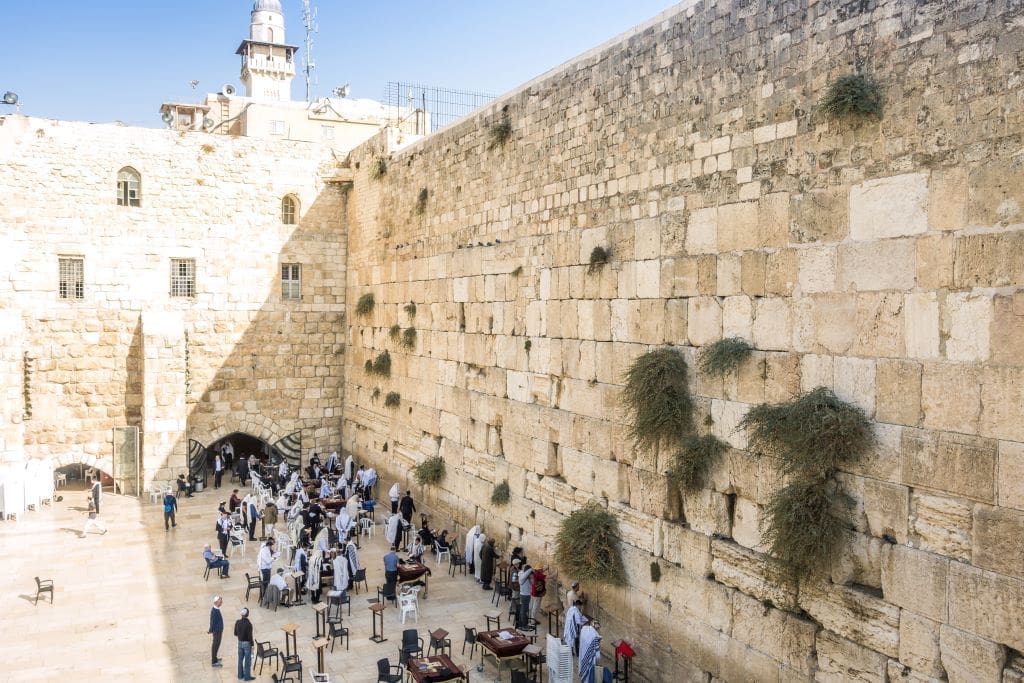
After the fall of the Babylonian Empire in 516 BCE, Cyrus the Great allowed the Jewish people to rebuild the Temple. It was reconstructed in the same place as the first. In 19 BCE, Herod built a semi-rectangular retaining wall around the Temple area, and the Temple was completed during the reign of his grandson, King Agrippa II, as recorded by historian Josephus Flavius. The Western wall of this rectangular retaining wall is what’s currently known as The Western Wall.
The story behind the celebration of Hanukkah covers the period when the Seleucid Empire controlled Jerusalem. Antiochus IV followed in his father’s footsteps in trying to Hellenize the Jews. The Temple was desecrated with the pagan practices of the Greeks, which eventually led to the Maccabean Revolt and their miraculous victory.
Roman rule over Jerusalem in 70 CE brought the most recent destruction to The Temple. This time, it wasn’t rebuilt (at least not yet!). Both the Romans and the Christians under Constantine forbade the Jews from entering Jerusalem for centuries, except just one day annually, the 9th of the month of Av, when they were allowed to visit to mourn the Temple.
In the 7th century, the Muslim conquest of Jerusalem led to them building a shrine on the Temple site, the Dome of the Rock, in 691 CE. Even after the Nation of Israel regained control over Jerusalem in 1967, the Temple Mount remained under Jordanian rule. It’s still this way today, and though Jews may visit, they may not pray there. The closest place to the Temple they’re permitted to pray is the Western Wall, which is why the Kotel, or “wall” in Hebrew, is considered the holiest site in Judaism.
Should the Western Wall be a sacred site for Christians? The short answer is yes! Though we are not Jewish, our belief in Jesus as the Messiah has allowed our Gentile selves to be grafted in, allowing us to become God’s people. God’s promises to the Israelites in the Old Testament also apply to us.
The Temple is not only part of the history of our faith as Christians and our spiritual heritage as people of the Kingdom of God; it’s also the place our God physically inhabited here on earth to be with His people, pre-Jesus. It’s easy to forget that our God is real, supernatural, and awesome! Don’t miss the significance of the history of this Temple. Your God thought the place was important enough to live there. Your God lived there. For real. Let that sink in.
Another reason for Christians to honor the Temple is that it was a place of worship for our Savior, Jesus. The Bible records many situations where we find Jesus in different life stages at the Temple in Jerusalem.
As an infant
Jesus’s first visit to The Temple was when he was just 40 days old. Mary and Joseph brought him there to fulfill the command in the Torah to do so (Luke 2:22-38). He also went there at least as often as once yearly as he grew up (Luke 2:41).
As a young man
At 12, Jesus went to Jerusalem with his parents to celebrate Passover. Then, he was accidentally left behind and was found asking brilliant questions of the rabbis there (Luke 2:41-51).
As a man
The most well-known story from Jesus at the Temple was when he overturned the sellers’ tables (Mark 11:15-18), but that wasn’t the only time he went to the Temple. During one period in his adult life, he taught there daily (Luke 21:37-38).
As believers in the truth of scripture, the God of the Bible, and Jesus as Lord, it can be seen that the Western Wall and the Temple it represents are of great importance. The fact that Jesus fulfills the need for a sacrifice for our sin, causing us not to need a temple for sin sacrifices, doesn’t diminish the significance of The Temple and its Western Wall. While not all of us can visit it in person, Christians can honor this site and thus our God from afar by learning more about its history and effect on the world both politically and prophetically. If you can, a visit to the Western Wall (as well as other significant sites in The Holy Land) will grow and concrete your faith and understanding of the land of the Bible.