Author: Holy Branches

I’m a Gentile Believer, a devoted mother of five wonderful children, and the wife of an amazing husband. Nature, gardening, and dance bring joy and inspiration to my life. In my spare time, I play the piano, care for my garden, or study the Bible in Hebrew. And I’ll drop just about anything for a game of cards. My unwavering quest for a genuine relationship with the God of the Bible has driven me to delve deeply into His Word, which guides my journey and shapes my life's path. This exploration, combined with dedication to living out my faith, is at the heart of my writing. I seek to share my insights and discoveries with readers, encouraging them to embark on their own spiritual journeys.

The Names of God: Elohim, the Mighty One

This post contains affiliate links. I only advertise items I personally recommend and may receive a small commission from qualifying purchases. For more information, visit our Affiliate Information Page.

There are so many names for God in the Bible. Among them are יהוה (translated LORD in most English translations, Adonai, Elohim, and more. But His names aren’t just there so we know what to call Him. In Hebrew culture, names meant a lot more than that. They described personality traits or even of the purpose of someone’s life.

The significance of names is the same with God. It’s through His many names that we can discover His characteristics and get to know who He really is! Some of His names were ways He named Himself, while others were given to Him by His people. Like many things we learn from the Bible, we discover many of God’s attributes through His interactions with the people in the Bible and the names they gave Him.

This article will cover the name Elohim and those related to it. If you’re interested in even more names of God, here are other articles in this series you may enjoy.

The Names of God: Revealing God’s Personality Traits

The Names of God: יהוה, the God of Israel

The Names of God: Adonai, Our Lord and Master

Find the free printable PDF Names of God Chart here!
If you’re new to the Hebrew language, it may be helpful to start with my posts on the Hebrew Alphabet and the Hebrew Vowels.

Elohim אֱלֹהִים

Plural for Eloah (אֱלֹוהַ ) and from the word El (אֵל), this is the first name of God given in the Bible in Genesis 1:1, just before God created the universe. This name implies God’s mighty nature. Elah (אֱלָהּ), a name meaning “awesome One” is an Aramaic word found in many places throughout the Old Testament, Daniel 2:18, for example.

Like יהוה, Elohim is often attached to other words to expose additional aspects of God’s character. In English translations of the Bible, Elohim is translated as “God”. It doesn’t just refer to our God but also to angels and gods in general, although it’s not capitalized in this case to indicate that. For example, it’s the word used in Exodus 20, verse 3, in the command, “You shall have no other gods before Me.”

As I said above, Elohim is a plural form. But why is the plural form used when referring to God? Well, the Bible doesn’t directly explain it, but we do have a few clues. First, it’s not uncommon in Hebrew for something we think of as singular to be found in the plural form. Some examples are “water,” which is mayim (מַיִם), and “face,” which is panim (פָּנִים). Some say Elohim in the plural form refers to the Trinity, while others say that it’s a form of royal “we,” or an “honorific plural” used by or in reference to those of great importance and power.

Elohai, meaning “my God,” can be found where Ruth stays with Naomi in Ruth 1:16, when she says, “Your people shall be my people and your God, my God.” It’s used in many places throughout the Old Testament and was used by Jesus when he quoted David (Ps. 22:1) before his death on the cross by saying, “My God, my God, why have you forsaken me?”. Just as Elohai changes Elohim to make it “my God,” Eloheinu is “our God.”

El Shaddai אֵל שַׁדַּי

God gave this name to Himself in Genesis 17:1 when establishing His covenant with Abram. El Shaddai means “all-sufficient God”. The word Shaddai is also used by itself in Numbers 24:4, commonly translated as “Almighty.”

El Echad אֵל אֶֽחָד
Echad means “one” in Hebrew so this name means “one God” as in Malachi 2:10. It also reminds us of The Shema, Deuteronomy 6:4 “our God is one”!

El Hanneman אֵל   הַֽנֶּאֱמָן

Also in Deuteronomy, this name means “the faithful God” and is used in chapter 7, verse 9 in a warning to the Hebrew people not to turn from their faithful God.

El Tzaddik אֵל צַדִּיק

God gives Himself this name through the prophet Isaiah in Isaiah 45:21. It means “righteous God.”

El Elyon אֵל עֶלְיֹון

Meaning “most high God,” El Elyon is what King David called God in Psalm 9 when thanking Him for His perfect justice. Elyon can also be found alone, as in Numbers 24:16, where Baalam praises God in prophecy after Balak has tried to convince him to curse Israel.

El Elim אֵל אֵלִים

This name is used in Daniel 11:36. It shows, while others may have many gods, ours is the one who’s above them all!

El De’ot אֵל דֵּעֹות

Hannah gives God this name, meaning “God of knowledge,” in a prayer of thanksgiving for her much-awaited son, Samuel (1 Sam. 2:3). The fear (reverence) of God is described as the beginning of knowledge in Proverbs 1:7, so we can know that He’s the source of all the knowledge we need!

El Haggadol אֱלֹהֵי הָאֱלֹהִים

When addressing the Hebrew people, Moses gives God this name, meaning “the great God” (Deut. 10:17).

El HaKevod אֵל הַכָּבֹוד

“The God of glory” is what this name means. It’s found in Psalm 29, verse 3, where David beautifully describes our awesome God, as he does so often throughout the Psalms.

El HaKadosh אֵל   הַקָּדֹושׁ
In a description of God’s justice, this name, meaning “the holy God,” is given in Isaiah 5:16. There is no one holier than God, making His the only perfect and right judgment.

El HaShamayim אֵל הַשָּׁמָיִם

Meaning “the God of the heavens,” comes from Psalm 136 (verse 26), a Psalm of praise and thankfulness to God for His goodness and blessings to Israel.

El Olam אֵל עֹולָם

This name means “everlasting God” and can be found in Genesis 21:33, just after Abraham makes a covenant with Abimelech. Our God is everlasting! He has no beginning and no end! Isn’t that amazing?

El Roi אֵל רֳאִי

In Genesis 16:13, Hagar gave God this name when she found out she was pregnant with Ishmael. It means God who sees”. Because of her life circumstances, it didn’t seem like God saw her, but He did, just like He sees all of us, even when we don’t feel like it!

El Yeshurun אֵל יְשֻׁרוּן

Yeshurun (also translated as “Jeshurun”) means “Israel” or “righteous people,” so this name means “God of Israel”.

El Yisrael אֵל יִשְׂרָאֵל

Just as El Yeshurun and as mentioned in a Psalm of David (Psalm 68:36), this name means “God of Israel”.

El Channun אֵל חַנּוּן

Jonah gave this name to God in Jonah 4:2 in a complaint to Him. It means “gracious God.”

El Rachum אֵל רַחוּם

From a message to the Hebrew people from Moses, this name means “God of compassion” and is found in Deuteronomy 4:31.

El Yashuati אֵל יְשׁוּעָתִי

Related to the name Yeshua (Jesus), this name means “God of my salvation” and is found in Isaiah 12:2. The phrase “God of our salvation” is El Yeshatenu (אֵל יְשׁוּעָתֵנוּ), from Psalm 68:19.

El Kanno אֵל קַנֹּוא

In Joshua 24:19, God is described as “kana”, which can be translated as either “jealous” or “zealous”. This aspect of God’s character is better understood when compared it to a marriage relationship. It’s similar to a man being jealous for his wife. He wants her to himself and doesn’t like to share. This jealousy is how God is with us. He wants to be our only God and doesn’t want to share!

El Hannorah אֵל הַנּוֹרָא

God is described in Nehemiah 9:32 as “the awesome God”. There’s no more accurate statement than that! He is indeed the most awesome there is!

El Chaiyai אֵל חַיָּי

This name, from Psalm 42:8, means “God of my life”. Is He the God of your life? If so, you know the peace that can bring! Closely related is Elohim Chai (אֱלֹהִים חַי), “living God”.

El Ghmulot אֵל גְּמֻלוֹת

In Jeremiah 51:56, Jeremiah refers to God using this name to warn that God will bring Babylon to justice for their treatment of His people. This name is translated as “the LORD is a God of recompense” or “the LORD is a God of retribution.”

Immanu El עִמָּנוּ אֵל

This name is one we’re all familiar with. Commonly translated “Immanuel,” “God with us” in Isaiah 7:14 points forward to when Jesus came to earth, and humans experienced God with them in the form of a man.

Elohim Emet אֱלֹהִים   אֱמֶת

While discussing idolatry, Jeremiah distinguishes our God as the “true God” with this name, found in Jeremiah 10:10. El Emet (אֵל אֱמֶת) has the same meaning and is also mentioned in Psalm 31:5.

Elohim Bashamayim אֱלֹהִים   בַּשָּׁמַיִם

“God in heaven” is the name given by Jehoshaphat in 2 Chronicles 20:6.

Elohim Chayim אֱלֹהִים חַיִּים

This name, meaning “living God,” is similar to El Chaiyai and Elohim Chai above. Chai (חַי) in Hebrew means “life”.

Elah Shamayia אֱלָהּ שְׁמַיָּא

Similar to Elohim Bashamayim, from the book of Ezra (7:23), Elah Shamayia means “God of Heaven”.

Elah Yerushalim אֱלָהּ יְרוּשְׁלֶֽם

God is referred to as the “God of Jerusalem” in Ezra 7:19 and as the “God of Israel” (אֱלָהּ יִשְׂרָאֵל) yet again in Ezra 5:1.

Eloah Selichot אֱלֹוהַּ סְלִיחֹות
I’m so thankful for this one! In Nehemiah 9:17, it says that our God is a “God of forgiveness.” We don’t deserve it, but He’s patient with us and has given Jesus to us to redeem our sin, which we can’t do for ourselves.

Elohei Tz’vaot אֱלֹהֵי צְבָאֹות

In 2 Samuel 5:10, the name, “God of hosts” is said to be the cause of David’s greatness.

Elohei Avraham, Yitzach, and Ya’akov אֱלֹהֵי אַבְרָהָם אֱלֹהֵי יִצְחָק וֵאלֹהֵי יַעֲקֹב 

To distinguish from the many gods of the surrounding peoples, our God is the “God of Abraham, Issac, and Jacob.” “God of Jacob” can also be found as Eloah Ya’akov (אֱלוֹהַּ יַעֲקֹב) in Psalm 114:7.

Elohei HaElohim אֱלֹהֵי הָאֱלֹהִים

In Deuteronomy 10:17, this is another name for “God of gods,” similar to El Elim above. Another name with the same meaning, Elah Elahin (אֱלָהּ אֱלָהִין) can be found in Daniel 2:47.

Elohei MaUzzi אֵל מָעוּזִּי חָיִל

“God, a strong fortress” is what this name means, found in 2 Samuel 22:33. David gives Him this name in praise, attributing all his success to God. A similar name, El sal’i (אֵל סַלְעִי), meaning “God, my rock”, can be found in Psalm 42:9. The word for rock here can also mean a crag or a cliff.

Elohei Mikkarov אֱלֹהֵי מִקָּרֹב

“God who is near” is what God says about Himself in Jeremiah 23:23. What an amazing gift we have in that we’re able to have a God who wants to be close to us!

Elohei Marom אֱלֹהֵי מָרֹום

“God of heights” or “God on high” is how God is described in Micah 6:6. While this may seem like the opposite of the previous name, “God who is near,” but since He’s God, He can be both near to us and a God whose exalted!

Elohei Tzur Yishi אֱלֹהֵי צוּר יִשְׁעִֽי

Similar to El Yashuati above, this name given by David means “God, the rock of my salvation” and is found in 2 Samuel 22:47.
Elohei Mishpat אֱלֹהֵי מִשְׁפָּט

In Isaiah 30:18, the people of Israel are given hope that their God will bring justice to those who have mistreated them. This name means “God of justice”.

Elohei Kedem אֱלֹהֵי קֶדֶם

“Eternal God” is what this name means. It’s used in Deuteronomy 33:27 by Moses on his deathbed. Although he knows he can’t accompany the Hebrew people into the Promised Land, he does know the God that will go with them and that He is forever.

Elohei Tehellati אֱלֹהֵי תְהִלָּתִי

This name should really be the name we all have for God. Elohai Tellhelati means “God of my praise.” Like no one else, God’s the only one deserving of all of our praise!

Elohei Avoteinu אֱלֹהֵי אֲבֹותֵינוּ

Meaning “God of our fathers”, this is yet another name given by David, and it can be found in 1 Chronicles 12:17. Elah Ahavti (אֱלָהּ אֲבָהָתִי) is similar but means “God of my fathers” (Daniel 2:23).

Elohei Nachor אֱלֹהֵי נָחוֹר

Just as He’s the God of Abraham, God is also described as the God of Nahor, Abraham’s brother, in Genesis 31:53.

Elohei Haruchot Lakol Basar אֱלֹהֵי הָרוּחֹת לְכָל־בָּשָׂר 

Moses and Aaron describe God as the “God of the spirits of all flesh” in Numbers 16:22, and Moses repeats this in chapter 27, verse 16. Our God is not only God over everything physical but also over the spiritual world! What an amazing God we have!

Click here for a free printable PDF version of my Names of God Chart!


There are so many names of God related to El and Elohim! It’s impossible for us to fully comprehend all of who He is but the study of His names gives us a glimpse of His character and He’s just awesome!

Gifts from the Holy Land: Artza Box: Genesis

This post contains affiliate links. I only advertise items I personally recommend and may receive a small commission from qualifying purchases. For more information, visit our Affiliate Information Page.

Discover Artza Boxes, a monthly subscription service delivering handcrafted treasures from local artisans in the Holy Land straight to your door. Each quarter, you’ll receive a thoughtfully curated box with a unique theme, featuring an array of items such as gourmet foods, home décor, artisanal crafts, and educational materials. Dive deeper into the experience with included insights about the talented artisans behind these creations, fostering a meaningful connection to the Holy Land. Perfect as a gift or a special treat for you and your loved ones, Artza Boxes bring joy and inspiration with every delivery!

Use coupon code HEBREW20 to receive a 20% discount 
on your Artzabox subscription!

This quarter’s Artza Box, themed around Genesis, celebrates creation and new beginnings. One thing you may find interesting is that some of the items included are on the subject of Shabbat, the Sabbath. The connection is what’s celebrated on the Sabbath – creation. Each Sabbath, we say the Kiddush, Genesis 2:1-3, “

Every item in the box is thoughtfully selected to reflect the essence of Genesis – creation and new beginnings. Here’s what you’ll find inside.

The included booklet features Banias, a breathtaking region of verdant landscapes and flowing waters, also known as Caesarea Philippi. This historic site holds profound biblical significance as the place where Jesus asked his disciples, “Who do you say I am?” prompting Peter’s powerful confession that Jesus is the Messiah (Matthew 16:13-20).

Today, Banias is a vibrant destination within the Banias Nature Reserve, drawing visitors to its stunning natural beauty and rich history. Explore the serene Banias Spring, marvel at the majestic waterfall, and wander through archaeological treasures, including the ancient Cave of Pan and Roman-era ruins. Perfect for pilgrims, history enthusiasts, and nature lovers, Banias offers a captivating blend of spiritual reflection and scenic wonder.

Yair Emanuel Hand-Painted Candle Holder Set

This lovely painted metal candle holder is my standout favorite from the box! Crafted by artist Yair Emanuel, celebrated for his vibrant and meaningful Judaica designs, it’s an ideal piece for an Erev Shabbat service, designed to hold two candles and adorned with the poignant Bible verse, “God saw that the light was good and He separated the light from the darkness” (Genesis 1:4) from the creation narrative. It elevates our Shabbat table with its beauty and pairs flawlessly with the Seven Days of Creation tray below. Emanuel’s other works, featured in past Artza Boxes, consistently bring such meaningful and stunning artistry to our collection.

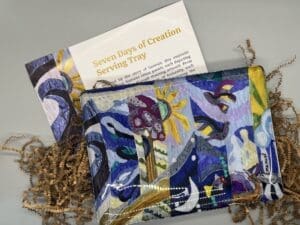
Yair Emanuel Seven Days of Creation Serving Tray

This exquisite tray is also created by renowned artist Yair Emanuel. Perfectly suited for placement beneath the candle holder set in this box on your dining or display table, this painted metal tray serves as both a functional piece and a work of art. It vividly depicts the Seven Days of Creation, each panel illustrating a day of creation from the Genesis narrative with Emanuel’s signature blend of bold colors and intricate patterns. Ideal for Shabbat, holidays, or as a thoughtful gift, this Yair Emanuel creation brings spiritual depth and aesthetic elegance to any table.

Halva-Coated Peanuts

Halva, a Middle Eastern confection, offers a delightful, subtly sweet complement to crunchy peanuts, making these Halva Coated Peanuts an ideal snack. This treat celebrates the Holy Land’s heritage, with its packaging featuring Genesis 1:11: “Let the land produce vegetation: seed-bearing plants and trees on the land that bear fruit with seed in it…” A perfect blend of flavor and tradition, it’s a meaningful addition to any snack collection.

DeKarina Milk Chocolate Treats

DeKarina’s exquisite confections, featured in past Artza Boxes, shine again in this delightful treat. Velvety dark chocolate envelops crunchy hazelnuts, crafting a delectable snack. Artisan Karina, following her grandfather’s legacy as a chocolatier, handcrafts these chocolates in a region enduring heavy rocket fire from Hezbollah, embodying remarkable resilience. This treat is a perfect blend of rich flavor and inspiring craftsmanship.

Mixture for Challah Coating

This challah coating is a stellar addition to my family’s collection of challah recipes. We’ve tried numerous variations! This coating blends Za’atar, a vibrant Middle Eastern spice mix, with other Israeli herbs, creating a flavorful and visually stunning topping for challah or any bread loaf. Sourced from Derech HaTavlinim (The Spice Road Farm) in Bethlehem of Galilee, Israel, these spices are expertly crafted. Packaged by “In the Box,” a company empowering individuals recovering from addiction through employment and training, this coating delivers rich taste and meaningful impact.

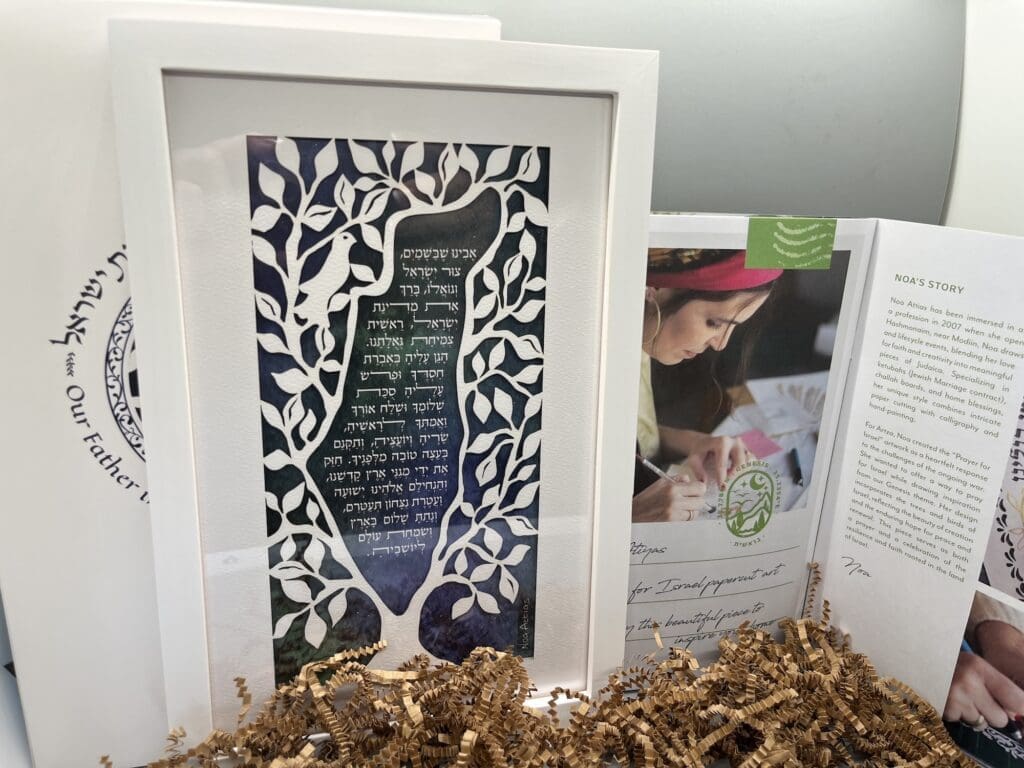
Blessing for Israel Hand-Cut Paper Artwork

This framed artwork by Noa Attias captures the Holy Land’s splendor, depicting a native Israeli tree and bird that celebrate creation’s beauty. A lifelong artist, Attias infuses her work with the essence of meaningful traditions and events. The piece features a hand-cut tree shaped like Israel, enclosing a Hebrew prayer, translated in English as: “Our Father in Heaven, Rock and Redeemer of the people Israel: Bless the State of Israel, with its promise of redemption. Shield it with Your love; spread over it the shelter of Your peace. Guide its leaders and advisors with Your light and Your truth. Help them with Your good counsel. Strengthen the hands of those who defend out Holy Land. Deliver them; crown their efforts with triumph. Bless the land with peace, and its inhabitants with lasting joy”. A stunning and soulful addition to any home, this artwork radiates spiritual and cultural significance.

Genesis Journal

This exquisite journal celebrates the creation story in Genesis, adorned with Hebrew words, their meanings, and selected verses. Its hand-pressed paper pages, accented by simple illustrations, offer ample space for reflections on creation, Bible study, or personal thoughts. The cover, graced with a gold olive branch, features “In the Beginning” in both Hebrew and English. The Hebrew word Beresheet (בראשית), meaning “In the beginning” and the first word of the Bible, also names the Book of Genesis, the Torah’s opening book. Learn more about the Torah here.

Use coupon code HEBREW20 to receive a 20% discount 
on your Artzabox subscription!

This quarter’s Artza Box is a radiant celebration of the Holy Land’s rich heritage, encapsulating the spirit of Israel through artisan-crafted treasures. Each item, from Hebrew-inscribed journals to Galilee-grown spice blends, weaves a story of faith, resilience, and tradition, inviting you to connect deeply with the land and its people. More than a subscription, it’s a meaningful journey that transforms unboxing into a moment of spiritual discovery. Perfect for enriching your own connection to Israel or gifting to someone who holds the Holy Land dear, this box brings the region’s timeless beauty and inspiration into your home. With every carefully curated piece, the Artza Box fosters reflection, gratitude, and a lasting bond with Israel’s sacred legacy.

Celebrating a Christ-Centered Passover with Kids

This post contains affiliate links. I only advertise items I personally recommend and may receive a small commission from qualifying purchases. For more information, visit our Affiliate Information Page.

Passover is such a rich and meaningful Celebration for Christians, because it reminds us of God’s sovereignty and faithfulness to His people through both the Passover in Exodus as well as through our Savior, Jesus. 

One of the reasons God tells us to celebrate Passover is to teach our children about Him through it (Ex. 12:24-27).  We don’t have to add to the story of Passover to make it interesting.  It’s an amazing story of an awesome God showing His supernatural power in order to rescue His people from a life of slavery to a life of freedom in Him!  Here’s a brief overview of the Passover story if you need a reminder.

Kids and the Bible

I know there are some parents, grandparents, and guardians out there that worry about teaching children the more harsh parts of the Bible.  This story contains death, sacrifice, blood, plagues, etc. and I understand how that seems like inappropriate material for kids. 

But here’s the thing, guys.  We need to keep our eye on the goal here.  Why do we spend our precious time teaching our children stories from the Bible anyway?  Because we want them to develop a relationship with the God of the Bible and to come to know Jesus as their Savior.  We can’t reach these goals without telling them the Gospel story, that of Jesus’s crucifixion – the one where he bled and died and became the sacrifice that atones for our sin.  If we were to leave this story out, we’d be wasting our time entirely. 

So, are there any parts of the Bible we should leave out when teaching children?  It does depend on their age and ability to handle difficult subjects.  Some of the stories that include sexual sin, such as the story of Judah and Tamar (Gen. 38), or the specific gristly details like Judas’s intestines spilling out in Acts 1:18 could be left until the kids are older.  But though we increase the detail in which we relay the stories as they mature, both the Gospel story and that of Passover can (and should!) be told age-appropriately to children. 

As with anything difficult they may encounter in life, be ready to discuss it with your children.  Questions about death, sacrifice, the wrath of God, plague details, etc. will come up.  God’s holy Word does not return void when it goes out, so be wise in addressing your young audience but be cautious never to censor the words of God!

They Learn Through Stories

Why is it that we teach children Bible stories?  Is it just to give them a collection of stories to carry around in their heads for the rest of their lives?  No! 

The purpose of the stories in the Bible are for us to get to know God through reading them.  In Genesis, we meet God as the creator.  In Exodus, we meet Him as our almighty God, our rescuer, and our provider.  The story of Jesus’s death and resurrection introduces us to a God that forgives, despite His perfect justice and in Revelation, we learn of God’s supernatural side, His eternal sovereignty, and His desire to be with His people.

It’s not just children that learn best through stories.  Even Jesus knows that we all learn better this way!  He very often taught in parables to give us pictures of spiritual concepts using objects and situations we’re familiar with. 

3 Takeaways

Just to make sure we stay focused while teaching our kids about Passover, here are a few of the most important points we need to make sure to convey.

1. God is All Powerful

In the Passover story as well as throughout the Bible, God’s infinite power is dramatically displayed.  Although kids will pick up on this in the story, be deliberate in pointing it out so they can’t miss it.  You can even teach them the long word omnipotence which means just that – all-powerful.

2.  Jesus Died to Pay for Our Sins

Note the parallels in the Passover story between the Passover lamb and Jesus.  This isn’t just a cool idea, it’s the amazing thing that caused John the Baptist to proclaim Jesus as the Messiah (John 1:29).  Both Jesus’s and the lamb’s blood saved and protected the people from God’s wrath.  Jesus and the lamb were both pure and innocent.  Both Jesus and the lamb had to die for us to be saved.  There are more but these should get you started.

3.  God Loves His People

It’s out of His love for us and the Hebrew people that God provided a substitute when His wrath would have destroyed us.  Although God is completely just in punishment for sin, He also loves us enough to provide a way for us to be forgiven.  He wants a relationship with us despite our choices to distance ourselves from Him but requires action on our part (blood on the doorway and accepting the gift of salvation) to initiate that connection.

Passover Resources for Kids

Here are some wonderful resources I’ve found for teaching your children about Passover.  You can just teach them the story and the concepts or you can lead them through a Passover Seder, which teaches the same thing through a multi-sensory re-telling of the story. Click on the item’s name below for more information or to order.

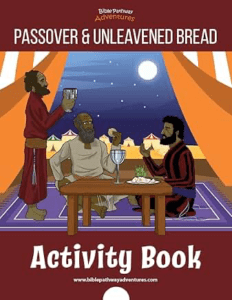
Bible Pathway Adventures Passover & Unleavened Bread Activity Book

I use Bible Pathway Adventures to teach my children (ages 2 through 12) about many Bible concepts and stories.  I love that the printable and bound books include various activities on so many subjects.  This one covers the Biblical Feasts of Passover and Unleavened Bread as well as a bit on Passover Seders. 

Ultimate Sticker Book: Passover

It’s sometimes difficult to find an educational activity that holds the interest of toddlers and preschoolers but they love stickers!  This book provides vivid pictures and an opportunity to have conversations about Passover while also keeping little hands busy. 

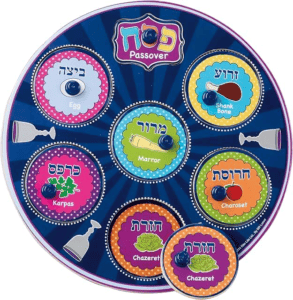
Seder Plate Puzzle

Here’s another idea for the little ones!  You can talk through the meaning of each element on the plate while they get their fine motor skills on.

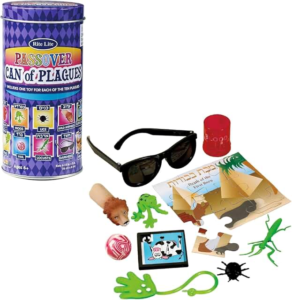
10 Plagues of Egypt Toy Kit

This kit is helpful as a visual aid while teaching the Passover story or during the Seder.  Each of these fun and interesting items creates opportunity for a discussion on the themes of Passover as well as the details of the story.

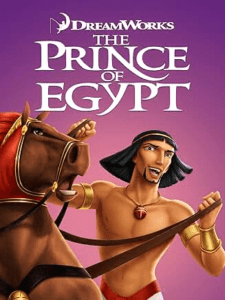
The Prince of Egypt Movie

Watching this movie (with plenty of popcorn!) has become a pre-Passover tradition in our home.  This movie is unusual in that it’s pretty accurate Biblically, yet fun and entertaining for all ages!  It gets the conversation about the upcoming celebration rolling in a family-friendly way.

A Christian Seder Meal: For Kids and Their Whole Family

This short book can just be read to teach children about Passover or used during a Seder to explain what’s going on and why.  Not just for children, it contains simple yet meaningful explanations that even adults will find illuminating!

Ten Plagues Story Craft

I love this craft from Torah Sisters!  It’s simple enough for my scribblers but my older kids get into it too.  It’s also very versatile in that you can print it in color or allow the children to color it themselves.  You could have them cut out the circles and attach them to a poster, banner, or other project, or glue popsicle sticks to them and use them when reading the Bible story or during the Seder.

Sing Dayenu

Dayenu is a Hebrew word meaning basically “it would have been enough”.  It’s sung over and over with different verses, saying that if God had even only done one of the billions of things He’s done for us, it would have been enough.  But we know, and Passover reminds us, that he didn’t just do one of those things.  He’s forever faithful to us from the beginning of time throughout eternity!

Passover Ten Plagues Hand Puppet Kit

This kit comes with everything you need to make 10 puppets – 1 to represent each of the plagues in the story.  You could tell the story while they’re busy assembling their puppets or use the completed puppets for the story or Seder.

Matzo House

We’re planning on trying this one this year.  We made sukkahs out of graham crackers during Sukkot and my kids loved it!  We always have a lot of leftover matzah so these cute houses would be a great way to use it up.  It’s also a great opportunity to discuss the significance of unleavened bread and the picture the Bible gives us about yeast symbolizing sin in our lives.

Passover Page on jewishkids.org

A website made by Jewish parent site, chabad.org, this page contains many activities, books, songs, etc. for kids that relate to Passover.  Although from a Jewish perspective, it will provide useful activities and information for your children on both the Passover story and Seder.

Whether it’s your first Passover with your kids or you’re a pro at this, you’ll find many helpful resources out there as you plan to introduce your children to the God of the Passover.  I’m sure you’ll be so glad you did and you may even learn something yourself in the process!

A Very Basic Christian Passover Seder Guide

This post contains affiliate links. I only advertise items I personally recommend and may receive a small commission from qualifying purchases. For more information, visit our Affiliate Information Page.

So, you’ve decided to incorporate the celebration of Passover into your Christian home.  Now what?  Where to begin?  What to buy?  Whom to ask?  What to say?  What to eat?   I know only a couple of Christians that were raised with Passover as a family tradition.  What a great blessing!  Unfortunately, the rest of us must figure it out on our own.  But recent years have produced a large number of resources for Christians interested in Passover.  This is a great time to introduce Passover as a tradition in your family and to get started passing it on to future generations.  Here’s a simplified, step-by-step guide to help you hold your own Christian Passover Seder.  As you continue to learn and grow in this practice, you can involve more of the elements and customs as you see fit for your family. 

Get a free printable version of this seder guide here!

Pray

Let God know your intentions.  Ask Him to help you find the resources you need to observe Passover with your family.  You’ll be surprised at His response!

Read the story of the Passover

Make sure you know what you’re celebrating and why.  Even if you know the story, go over it again.  Obviously, it’s no substitute for the bible but here’s a quick summary.  Don’t miss the supernatural awesomeness of God displayed in this story!  The point of all this was to show God’s power and proclaim His name throughout the earth (Exodus 9:16).  Make sure that gets done through your Passover celebration.  Make sure God gets all the glory.

Collect supplies

Here’s a short list for a simple Seder.

  • A Haggadah – 1 per person (A booklet to lead participants through the Seder)
  • Bowl of water and towel for hand washing
  • A Seder Plate – 1 for each table or each participant (can be an actual Seder plate like this one but can also be any large plate)
  • Matzah – about 5 pieces per participant
  • Cloth (napkin or otherwise to wrap 3 pieces of the matzah in)
  • Parsley or celery – 1 piece for each participant
  • Salt – enough to make saltwater
  • Small dishes for saltwater – 1 per participant or per every few participants
  • Charoset – about 1/2 c. per participant
  • Bone – 1 for each Seder plate (usually a roasted lamb shank bone but we use a drumstick)
  • Horseradish – about 1 tablespoon per participant
  • Wine and/or juice – enough for each participant to have 4 glasses/cups
  • Glasses and/or cups – 1 for each participant
  • Full meal to eat (other than the Seder elements, usually pork-free and yeast-free)

Set up

Simplified Summary of the Christian Seder

  1. Pour the first glass of wine. Open with a prayer, thanking God for freeing us from slavery, both through the Exodus from Egypt and from sin through our Messiah, Jesus. Optional: say the HaGafen blessing together.
  2. Pass the washing bowl around, and each participant should wash and dry their hands.  This signifies that we must approach God with a clean and pure heart.
  3. Dip the parsley in salt water.  Tell participants that this reminds us of our tears in slavery.  Eat it after the leader has praised God for the vegetables. The HaAdamah can be said at this time.
  4. The leader removes the middle piece of matzah from the 3 pieces of matzah that have been set aside.  It should be broken in 2, and the larger piece wrapped in the cloth.  In some homes, it is hidden somewhere in the house for the children to find later.  This reminds us that Jesus was broken, wrapped, and buried.
  5. Everyone then lifts a piece of matzah.  The blessing over the bread, the HaMotzi, can be said at this time. The leader then explains that the bread is like the bread that the Israelites had upon leaving Egypt.  The absence of yeast represents the absence of sin in our lives due to the redemption of that sin through Jesus.  Set the matzah down.
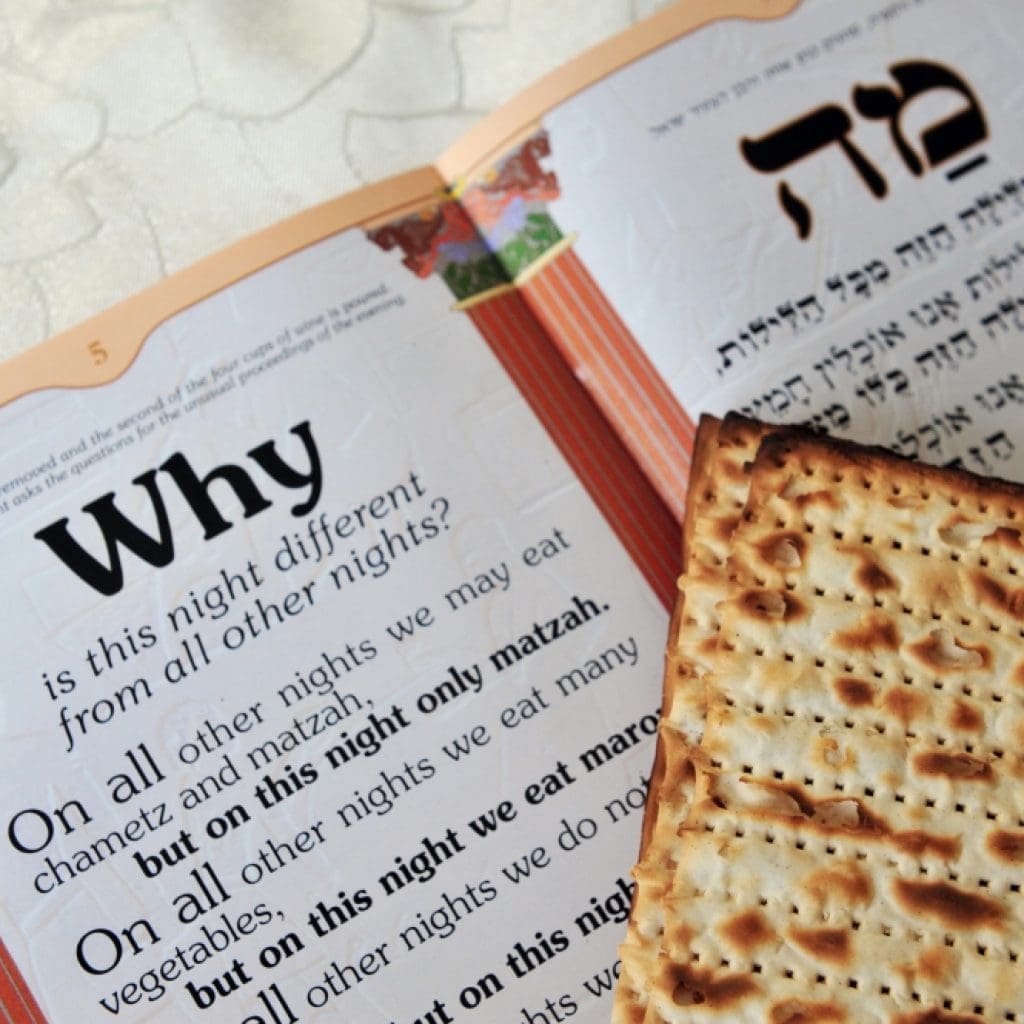
  6. Pour another glass of wine.  At this point, the youngest child in the house who is able to read should read The Four Questions.
    1. On other nights, we don’t dip our food.  Why do we dip our food twice tonight?
    2. On other nights, we eat regular bread.  Why do we eat only matzah tonight?
    3. On other nights, we eat other vegetables.  Why do we eat parsley tonight?
    4. On other nights, we sit in chairs.  Why do we recline tonight?
  7. The leader then responds that tonight is different because tonight, we remember that God rescued us from slavery and the slavery of our sin.  We dip our food to remind us of the tears shed in our slavery, and we dip again to remember that we are free.  Eating matzah reminds us of the Hebrew people hurriedly leaving Egypt and the sinlessness of Jesus.  Horseradish reminds us of the bitterness of slavery – both in Egypt and in our sin.  We recline as if we’re royalty because we are free people.
  8. The leader tells the Passover story.  During the part recalling the plagues, the participants dip their finger in the wine and drop a drop of wine onto a piece of matzah as each plague is recalled (blood, frogs, lice, flies, livestock, boils, hail, locusts, darkness, and the death of the firstborn).  The leader should emphasize the actual Passover part of the story (lamb’s blood on the doorpost saving God’s people) and that Jesus’s blood allowed our exodus from the slavery of our sin.
  9. Each person should hold up a piece of matzah.  The leader should again say that we eat matzah because the Israelites left with no time for their bread to rise.  The matzah is also like Jesus, who wasn’t “leavened” with sin so that he could be a sacrifice for ours.
  10. The leader should raise the horseradish and tell everyone that this reminds us of the bitterness of slavery.  The leader then puts the horseradish down.  The leader should then explain that the charoset reminds us of the mortar used by the Israelite slaves to build brick buildings for the Egyptians.
  11. Everyone lifts the second cup of wine.  The leader praises God for saving us and for the fruit of the vine.  Then everyone should drink and eat the matzah.
  12. The leader should praise God for the reminder of the bitter herbs.  Then all participants should put horseradish on their matzah and eat. 
  13. The leader thanks God for the food and for this time to remember the Passover and Jesus, our Passover lamb.  The meal is now served. 
  14. After the meal is the 3rd cup of wine.  You’ll recognize this part from the Last Supper recorded in the Gospels.  If the middle matzah was hidden, now is the time to find it.  The leader breaks the once-hidden broken matzah into pieces and gives each believer at the table a piece.  Another glass of wine is poured, and everyone should hold the matzah and wine.  The leader should summarize the Last Supper and then quote 1 Cor. 11:24 and Mark 14:22, where Jesus said, “This is my body which is for you; do this in remembrance of me.”  Then, everyone should eat their piece of matzah and hold their cup of wine up.  The leader should then quote 1 Cor. 11:25 and Mark 14:24, where Jesus said, “This is the cup of the new covenant in my blood; do this, as often as you drink it, in remembrance of Me.”  Then all believers should drink the 3rd cup. 
  15. This is usually the time for a song of praise.  Some say a Psalm or sing a hymn.  My kids cannot let this moment pass without singing Dayenu until we eventually have to stop them.  Ha ha!
  16. The leader now pours the 4th cup of wine, praises God for the fruit of the vine, and everyone drinks it.
  17. The leader concludes, reminding everyone that tonight’s feast reminds of God’s deliverance for us, not only from slavery in Egypt but also from our sin and the death we deserve.  We are redeemed through the blood of Jesus just as the blood of the lamb in the first Passover redeemed the Israelites.

I know there are some out there reading this thinking “A simple overview?!?!”.  I was there once too!  There’s more to a full Seder, but this post includes just what I consider to be the most important elements.  It’s difficult to introduce this tradition if it’s new to you, but if you’ve been convicted that this is something you should be doing with your family, please do it anyway.  My family’s first Passover didn’t go as we planned, and we stumbled through it, but we all have learned a LOT since then!  Expect a challenge as you start and continue this rich tradition, and I’m guessing you’ll be blessed by your perseverance. 

Get a free printable version of this seder guide here!

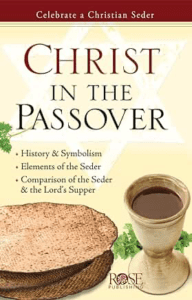
I love this pamphlet by Rose Publishing called Christ in the Passover! It explains why Passover is meaningful to Christians and the significance of the items and story behind the Passover Seder.

Happy Passover!

Read the Psalms in Their Original Language

This post contains affiliate links. I only advertise items I personally recommend and may receive a small commission from qualifying purchases. For more information, visit our Affiliate Information Page.

How would you like to read the Psalms in the original Hebrew? Wouldn’t it be fantastic to hear the Psalms the way Jesus heard them? Here’s a way you can – even if you don’t know Hebrew!

Use coupon code HEBREWROOTSMOM to receive a 20% discount 
on your Israel365 Book of Psalms!

Israel365

Israel365 publishes the Israel Bible Book of Psalms. They’re an organization that partners with Christians to connect those who know God’s heart for Israel with a practical way to support this precious Nation. As we watch prophecy unfold in the Jewish peoples’ return to Israel, we unfortunately also see them experience hardship in their return to the Land.

Violence and persecution mark what should be a joyous reunion, but Israel365 is helping to make the return to Israel easier for the Jewish people. Holocaust survivors and their families, children, widows, and others are the recipients of aid provided by Israel365. Israel365 also provides a dependable source for Israeli news and other ways for Christians to support Israel.

The Book of Psalms 

I love the Hebrew language and feel strongly that Christians should strive to study itbut it can be difficult and time-consuming to learn a new language. We are so blessed to live in a time when we have access to technology that makes it easier to understand the Bible’s original languages, such as Blue Letter Bible and Bible Hub.

The Book of Psalms is another resource that allows you to read the Bible in its original language – without knowing Hebrew! It’s a unique book that contains the Hebrew, English translation, and English pronunciation of the Hebrew for the entire Book of Psalms. The pronunciation (transliteration) will have you reading the Psalms in Hebrew immediately, even if you don’t know any Hebrew at all! 

Like others published by Israel365, this book is of high quality, with clear fonts and Hebrew vowel pointing, so it’s also valuable to those new to Hebrew. The chapter divisions are clear, with chapter numbers in both English and Hebrew. There’s also a chart of the Hebrew alphabet at the front of the book so the reader can learn as they read through the Psalms. 

This book makes a remarkable gift to anyone who loves the Bible, a Hebrew student, or even a fluent Hebrew speaker! It would be an excellent devotional, an aid to verse memorization, or a way to practice reading in Hebrew. 

Use coupon code HEBREWROOTSMOM to receive a 20% discount 
on your Israel365 Book of Psalms!

I have many books on the Bible and many that contain Hebrew, but this is on my list of favorites! What a beautiful way to study the poetry of the Psalms!  

75 Hebrew Words You Need to Understand the Bible

This post contains affiliate links. I only advertise items I personally recommend and may receive a small commission from qualifying purchases. For more information, visit our Affiliate Information Page.

Understand more about the Bible with Israel365’s newest book. In celebration of 75 years as a country, this beautiful book contains 75 Hebrew words that reveal concepts in God’s word. 

Use coupon code HEBREWROOTSMOM to receive a 10% discount 
on 75 Hebrew Words!

The creators of this book, Israel365, have a passion for the people and land of Israel. They connect the people of Israel to those who desire to support the Holy Land. Israel365 is a dependable source of news concerning Israel, which can be difficult to find otherwise. They provide Biblical resources to help Bible students understand the Bible, as well as Biblical Hebrew.

The latest book by Israel365 is focused on Hebrew words throughout the Hebrew Bible. Understanding the Hebrew language can boost your understanding of the entire Bible. Read why I encourage all Believers to study Hebrew here: 7 Ways Learning Hebrew Benefits Your Christian Faith

In 75 Hebrew Words, Rabbi Akiva Gersh has chosen words that increase your understanding of Biblical concepts. Here are a few of the words he explains in the book.

Soul

Hebrew: Neshamah, נְשָׁמָה 

The rabbi teaches the connection between the soul and breath when describing the meaning of neshamah. Neshamah is the word used in Genesis 2:7 when God breathed His breath into the nostrils of the human. Understanding the full meaning of the word neshamah shows us that God not only gave us breath, He also breathed our souls into us! 

Hymn

Hebrew: Zemer, זֶמֶר

The word “hymn” is used throughout the Psalms as a way we can connect with God, just as King David did. We know God hears our hymns, just as He heard King David’s. Why does the Hebrew text in Psalms sometimes say “Of David, a hymn,” but other times, “A hymn, of David”? Rabbi Gersh explains the difference and the significance in this book!

Holiness

Hebrew: Kedushah, קֶדֻשָּׁה

We may think we understand the concept of holiness, but the Hebrew provides even more clarity. Kedushah means holiness, but its root word, kadosh, indicates separation. This aspect of separation shows us that holiness includes a complete separation from things that are not holy. The rabbi expands on this idea of separation even more in his explanation of this word.

Use coupon code HEBREWROOTSMOM to receive a 10% discount 
on 75 Hebrew Words!

75 Hebrew Words not only has intriguing explanations of Hebrew words from the Bible. It also features beautiful pictures from the Holy Land. It’s a well-made book that would make a great gift or even supplement your Biblical Hebrew studies. Click here for more information or to purchase yours!

Hanukkah Activities for Christian Kids

This post contains affiliate links. I only advertise items I personally recommend and may receive a small commission from qualifying purchases. For more information, visit our Affiliate Information Page.

When Christian families embrace the celebration of Hanukkah as a tradition, we must remember that it’s our job to pass our faith on to our children. Hanukkah (or the Feast of Dedication) is a beautiful way to proclaim our God’s attribute of faithfulness and get the whole family involved! Check out my calendar for the dates of Hanukkah this year.

Lighting the Hanukkiah

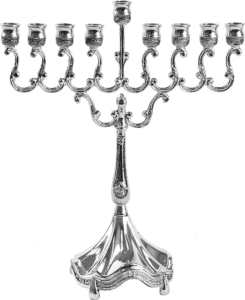
Obviously, use your best judgment with the degree of participation of little ones, but this most common Hanukkah tradition is great for kids to see. Each night of Hanukkah, another candle is lit on the Hanukkiah (9-branched menorah for Hanukkah). On night 1, the Shamash (helper candle that lights the others) is lit and lights the first. On the second night, the Shamash lights candles 1 and 2, and so on. 

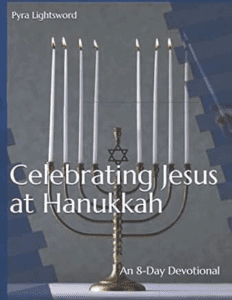
Candle lighting is a time to talk to kids about why you’re celebrating Hanukkah and how it relates to our Messiah, Jesus. You can take advantage of the time you have their attention and read the story of Jesus on Hanukkah (see below).

Read Hanukkah Stories

We can read about Jesus during Hanukkah (the Feast of Dedication) in John 10:22-30) or even read the Hanukkah story in the Books of the Maccabees. Here’s a summary of the story, The Maccabees, The Jewish Freedom Fighters

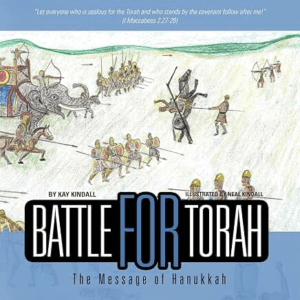
Battle for Torah is a poetic book for children written by Kim Kindall, a Believer in Jesus. 

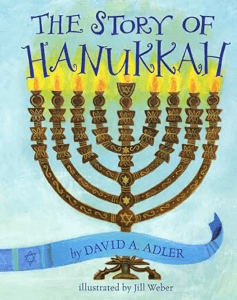
The Story of Hanukkah covers the miracles of Hanukkah and even has a latke recipe and instructions for the dreidel game!
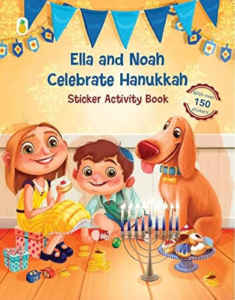
My little ones LOVE sticker books! Here’s an adorable Hanukkah-themed sticker and activity book, Ella and Noah Celebrate Hanukkah. It’s sure to keep little hands busy or help them stay quiet during services.


Dreidel Game

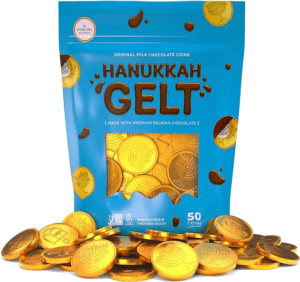
Almost any age can participate in the dreidel game! It’s simple, yet it always turns out to be a good time. Using candy coins is our favorite way to play, but you could use whatever small candy or numerous items you have around the house as tokens.
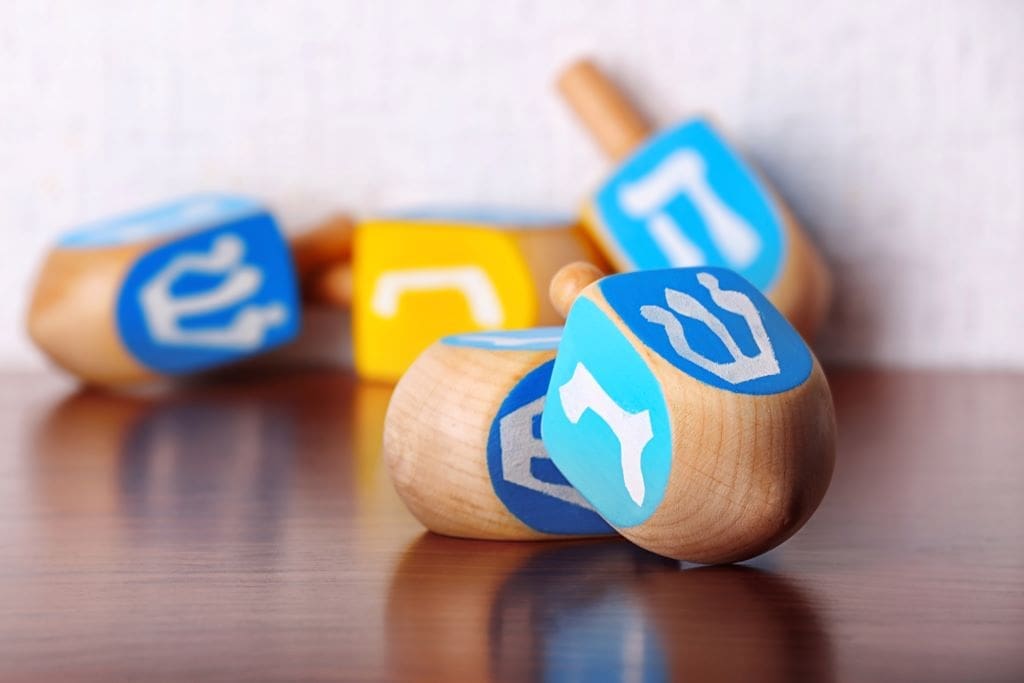
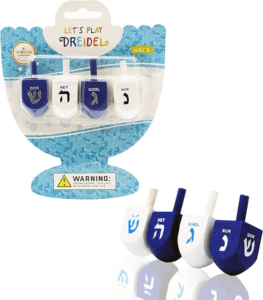
A dreidel has four sides, with 4 Hebrew letters on them, nun (נ), gimmel (ג), hay (ה), and shin (שׁ). These letters stand for “Nes gadol hayah sham” or “A great miracle happened there.” This statement references the miracles from the Hanukkah story – the victory of the Maccabees and the miracle of the oil.

Here’s how to play:

Each player must start the game with an equal number of tokens.

To begin each round, each player puts one token into the pot (the middle). The first player spins the dreidel once and follows the directions, depending on which side of the dreidel is up when it stops spinning.

If nun (נ) is showing, the player gets nothing, and their turn is over.


Gimmel (ג) means the player gets the entire pot!

Hay (ה) entitles the player to half of the pot’s contents (if there’s an odd number, take half plus one).


If the shin (שׁ) side is up, the player must put one token in the pot.


If the pot has one or less during the game, each player puts one token in to keep the game going.


When a player runs out of tokens, they are “out.”


The winner is the one who gets all the tokens, ending that round of the game.


Hanukkah Crafts

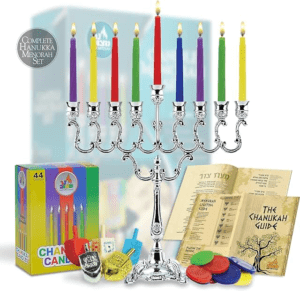
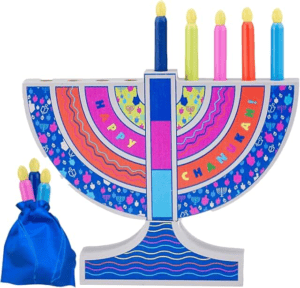
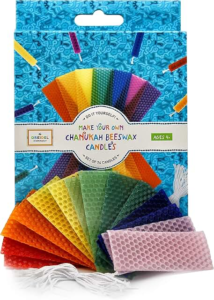
Make your candles for your family’s Hanukkiah with this kit from Rite-Lite.

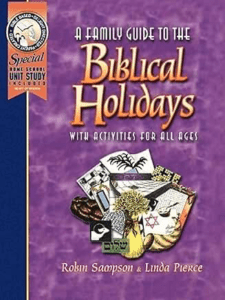
There are crafts and many other activities in the book A Family Guide to the Biblical Holidays. This book has educational activities for the other Biblical holidays as well. 

Find a cute Paper Plate Menorah Craft at NutureStore. There’s a printable for the candles, so your little ones can color them and cut them out.

And while we’re on the subject of online printable crafts, here’s a printable dreidel for your kids to color, cut out, and glue to make a paper dreidel they can really use!

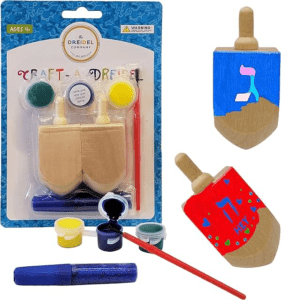
There’s also a Custom Dreidel Craft Kit for your little crafters. It comes with an unfinished wooden dreidel, paint, and a paintbrush. The design opportunities are endless!


Hanukkah Recipes

Traditionally, the foods eaten at Hanukkah are those fried in oil. While I’m all for kids helping in the kitchen, I recommend you leave them out of the frying process for safety reasons. You know your kids best – use your best judgment on how and where to include them.

Latkes

Here’s a hint to all my fellow busy moms: I’ve used packaged and frozen shredded hash brown potatoes as a shortcut for this recipe, and they’ve turned out great! Here’s the recipe: Busy Mom’s Cheater Latke Recipe

Sufaganiyot

This recipe is made with child participation in mind! It has which portions of the recipe kids can do marked as such, along with those better done by an adult.

Rugelach

You can use the above link to make them from scratch, but there’s also a shortcut. You can use flaky crescent roll dough, fill it with Nutella, and bake it according to the package instructions. Yum!

Challah Bread

A bread that’s both attractive and festive, Challah is served on Shabbat (the Sabbath) and on other special days.

Hanukkah Sugar Cookies

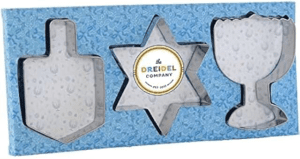
There are so many possibilities when it comes to sugar cookies, and kids are always willing to help with this one. You can use these Hanukkah Cookie Cutters and this frosting recipe to decorate or just add blue and white sprinkles.


I wish you and your family a very Happy Hanukkah!

10 Traditions for a Christian Hanukkah

This post contains affiliate links. I only advertise items I personally recommend and may receive a small commission from qualifying purchases. For more information, visit our Affiliate Information Page.

We celebrate Hanukkah (or the Feast of Dedication) in our Christian home to focus on God’s omnipotence and faithfulness to His people. As Christians, we also celebrate the re-dedication of our lives due to the cleansing of our hearts through the sacrifice of Jesus on the cross. If the thought of Christians celebrating Hanukkah is new to you, I invite you to read John 10:22-42 when Jesus observes Hanukkah at the Temple in Jerusalem, and check out this other post on Hanukkah and Christians.

Would you like to create a tradition of celebrating Hanukkah in your Christian home? You can find the dates of Hanukkah here, and below are ten ideas to get you started! 

1. Praise God

The themes of Hanukkah are rich with shows of God’s power or omnipotence. His omnipotence is the attribute of God that shows His limitless ability to do, well, anything He wants! He is all-powerful, and this is shown when He caused the Jewish people to have victory over their Syrian rulers. The story goes that He miraculously allowed one day’s worth of oil to burn for eight days until more could be made for the Temple menorah.  

God’s faithfulness to His people is the other central theme. Despite great persecution, God preserved His people, just as He always said He would. The circumstances were impossible, but God made it happen anyway. He showed that He stands with His people and keeps the promises He makes to them.

But it’s not just in the story of Hanukkah that we see these themes. They’re throughout the bible in both the Old and New Testaments, and if you’re paying attention, you’ll see them in your life and those around you. He is all-powerful, and he can do absolutely anything. And He’s always, always faithful to His people. He was then, He is now, and He will be forever. Now THAT’s worth celebrating!

2. Read His Word

Here are a few scripture selections to read to bring your focus onto the themes of Hanukkah:

  • Exodus 25:31-40, 37:17-24, and 40:24-25, 34-38
  • Leviticus 24:1-4
  • The book of Esther
  • Matthew 5:14-16
  • John 9:1-12, 10:22-42, and 14:16-17
  • Romans 8:1-17
  • 1 Corinthians 6:19-20
  • Ephesians 1:7
  • 1 John 1:5-10

3. Dig into History

While the story of Hanukkah isn’t in the Protestant bible, you can still read it for yourself. It’s found in the first and second books of the Maccabees. Since most Protestants don’t have a copy, here’s a link to the books of the Maccabees where you can read the whole story behind the celebration of Hanukkah.  

4. Light the Menorah

Lighting the menorah is by far the most common tradition during Hanukkah. The menorah used during Hanukkah isn’t the same as the one used in the Temple – a seven-branch menorah or lampstand, as it’s called in most translations. The one used during Hanukkah is called a Hanukkiah. Instead of 7, it has nine branches to hold nine candles, one for each of Hanukkah’s eight nights, and one to light the others, called the shamash

One candle is lit each night, using the candle in the tallest candleholder to light the others. They’re traditionally lit from left to right, and a new candle is added to the Hanukkiah on the right side each night. A blessing is usually said as the candles are lit.

5. Cook in Oil

Dishes served during Hanukkah are usually those cooked in oil to remember the story of the oil miracle in the Temple Menorah. Two of the most well-known are potato pancakes called latkes and jelly doughnuts called sufganiyot.  

6. Play Dreidel

While this tradition probably has little to do with the history of Hanukkah, it’s a fun game to play during this celebration that will entertain adults and children. Besides a few (2 or more) fun friends or family members, two things are necessary to enjoy playing Dreidel. A dreidel and something to use as chips or tokens, such as chocolate coins, also called gelt.

A dreidel has four sides, with 4 Hebrew letters on them: nun (נ), gimmel (ג), hay (ה), and shin (שׁ). These letters stand for “Nes gadol hayah sham” or “A great miracle happened there.”

Here’s how to play. 

Each player must start the game with an equal number of tokens or chips (this can be almost anything small and numerous. My family has used pennies and M&Ms, but we like chocolate coins best).

To begin each round, each player puts one token into the pot (the middle). The first player spins the dreidel once and follows the directions, depending on which side of the dreidel is up when it stops spinning.

If nun (נ) is showing, the player gets nothing, and their turn is over.
Gimmel (ג) means the player gets the entire pot!
Hay (ה) entitles the player to half of the pot’s contents (if there’s an odd number, take half plus one).
If the shin (שׁ) side is up, the player must put one token in the pot.

If the pot has one or less during the game, each player puts one token in to keep the game going.


When a player runs out of tokens, they are “out.”


The winner is the one who gets all the tokens, ending that round of the game.

7. Give Gifts

Gift-giving is another Hanukkah tradition that isn’t rooted in history. It’s a specifically American tradition, probably resulting from Hanukkah’s proximity to Christmas on our calendar. Some families give one gift each night of Hanukkah, and some even hide them to make it even more fun!

8. Decorate Your Home

Aside from your menorah, the options for decorating your home during Hanukkah are endless. I’ve seen creative and beautiful Hanukkah decorations to complement any décor. We’ve made garlands out of these Stars and usually have one of these Happy Hanukkah banners hanging around the house.  

9. Make Some Cookies

We have a tradition of baking and decorating cookies this time of year, and how we do that has morphed over the years. We have settled on a beautiful combination of menorahs and stars of David, mixed with crosses, to reflect our faith and what we celebrate this time of year.

10. Get Your Hebrew On

Hanukkah, Chanukah, Hanukah, or Chanukkah – how is it spelled? Well, none of these are precisely correct because the Hebrew word, meaning “to dedicate” in remembrance of the re-dedication of the Temple, is spelled חֲנֻכָּה.  

The first letter, chet, is guttural and has no equivalent sound in English. It’s pronounced in the back of your throat like the sound the “ch” makes at the end of “Bach.” Go ahead. Give it a try – Chanukkah.

Greet your Hanukkah guests with style! The standard greeting used during Hanukkah in English is “Happy Hanukkah!”. In Hebrew, it’s “Hanukkah Sameach” (Chan-uh-kuh Sam-ay-ach).  

If you plan on celebrating a Christian Hanukkah tradition in your home, these ten ideas should get you started. However you celebrate, ensure God gets all the glory for His infinite power and faithfulness to His people!


I wish you and your family a very Happy Hanukkah!

Gifts From the Holy Land: Artzabox: Holiday

This post contains affiliate links. I only advertise items I personally recommend and may receive a small commission from qualifying purchases. For more information, visit our Affiliate Information Page.

Discover the treasures of the Holy Land through Artza’s thoughtfully curated boxes, designed to connect you with its rich heritage and vibrant culture. Each quarter, they collaborate with talented local artisans to handpick unique, high-quality items that offer a deeply meaningful, multi-sensory experience.

This season, their Holiday Box is a celebration of the festive spirit! Packed with beautifully crafted gifts, it’s perfect for sharing the warmth and wonder of the Holy Land with your loved ones—or treating yourself to a touch of its magic. Every item is carefully chosen to make your holidays unforgettable and bring the heart of the Holy Land to your doorstep.

Use coupon code HEBREW20 to receive a 20% discount 
on your Artzabox subscription!

Here are the items in the Artza Holiday box.

Star of David Mosaic Kit

This item brought so much joy to my 8-year-old daughter and her friend as they worked together to assemble the mosaic. The kit includes all the necessary supplies and clear instructions, making it easy to dive right in without any extra preparation. It’s a fantastic, creative activity accessible to everyone, even older children. Highly recommended for a fun and engaging project!

The kit has everything needed to create a beautiful mosaic, including stones, glue, a template, sand, etc. Once completed, it forms a Star of David, a meaningful symbol of the unity of the Jewish people. This project is a fun and engaging craft and results in a cherished keepsake to treasure.

Lavido Lotion Kit

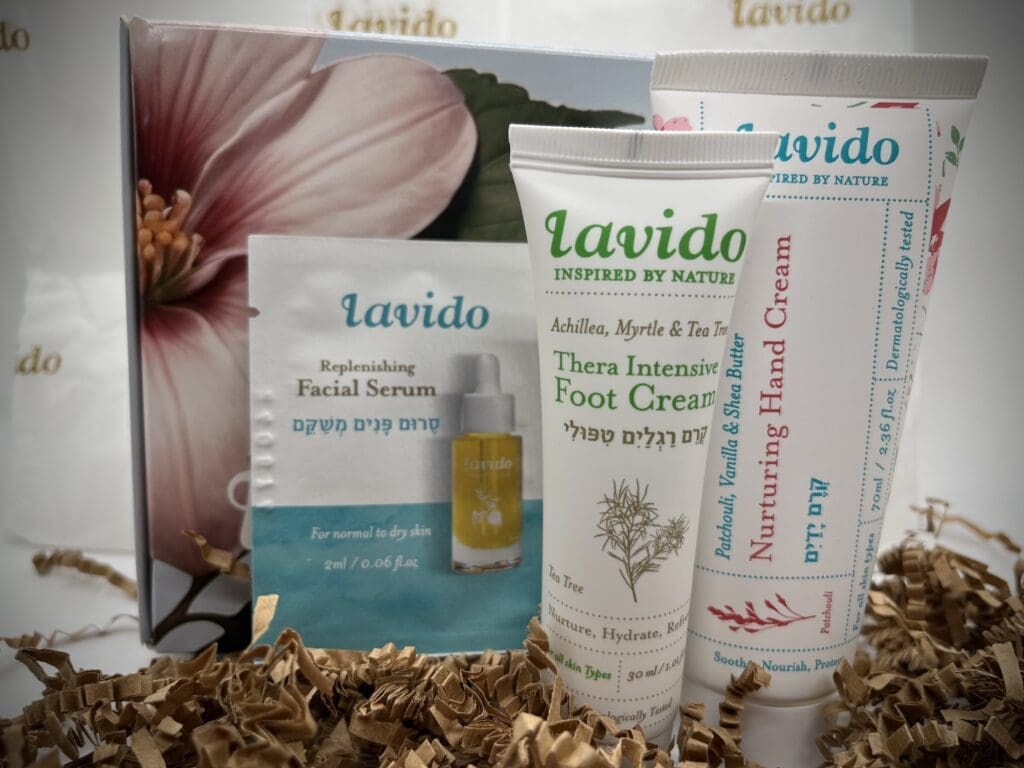
I’ve enjoyed Lavido products in a previous Artza box, so I was thrilled to see them included! This kit is perfect as a holiday gift but equally excellent for personal pampering. It includes lotion, facial serum, foot cream, and more—everything you need for a bit of indulgence.

True to Lavido’s style, these products are lightly and pleasantly scented, offering a touch of luxury. They leave your skin feeling silky-smooth and refreshed, making them a delight to use.

Hand-dipped Beeswax Candles

Featured once again in this season’s Artza box, Safed Candles brings their signature craftsmanship to the holiday collection. These elegantly slender candles are stunning and practical, making them perfect for your favorite candle holder. This package of ten lightly scented and carefully crafted candles offers a gentle touch of beauty and warmth to your celebrations. Whether lighting them for a special occasion or simply enjoying their soft glow, Safed Candles remain one of my favorite Artza offerings.

Ahava Stone

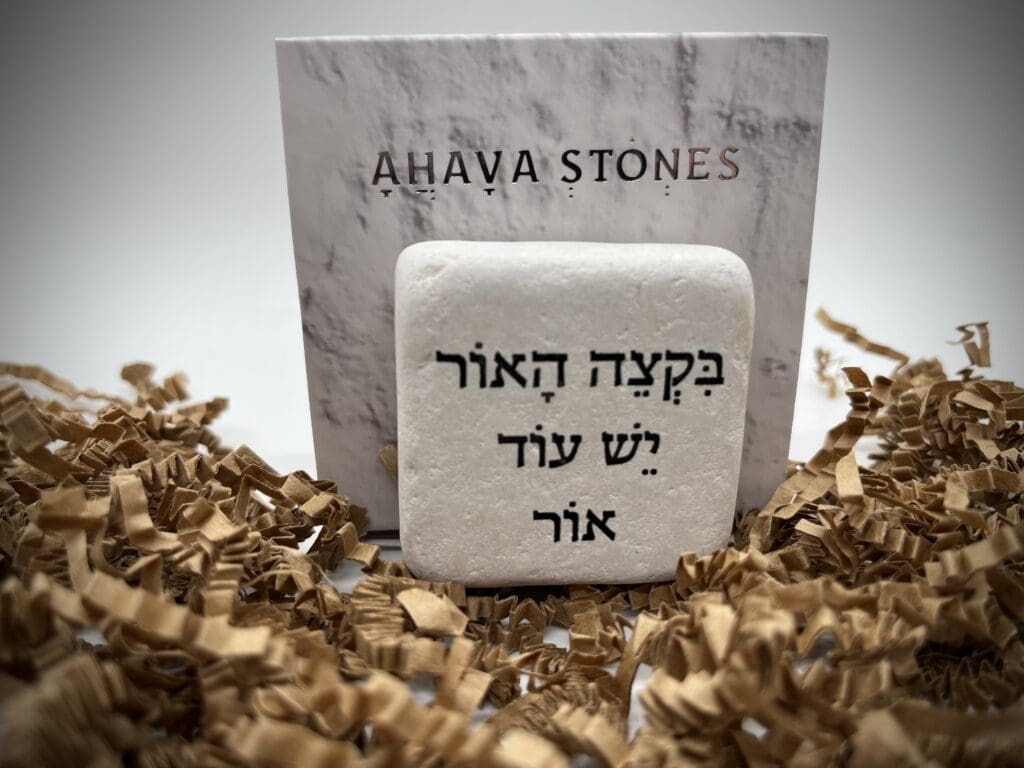
Created by survivors of the October 7th attack on the Nova Festival, this carved Jerusalem Stone embodies resilience and the enduring spirit of hope. Crafted by Darya and Ofek of Jerusalem Stone Etching, each piece carries an uplifting message, spreading “Ahava”—love in Hebrew—during even the darkest of times.

The stone included in this box is beautifully etched with the Hebrew phrase: “בִּקְצֵה הָאוֹר יֵשׁ עוֹד אוֹר”—“At the end of the light, there is more light.” Its compact size makes it perfect for displaying in your home or carrying with you as a meaningful reminder. Lightweight and beautifully engraved, this stone is a testament to the power of love and hope.

Potato Seasoning Mix

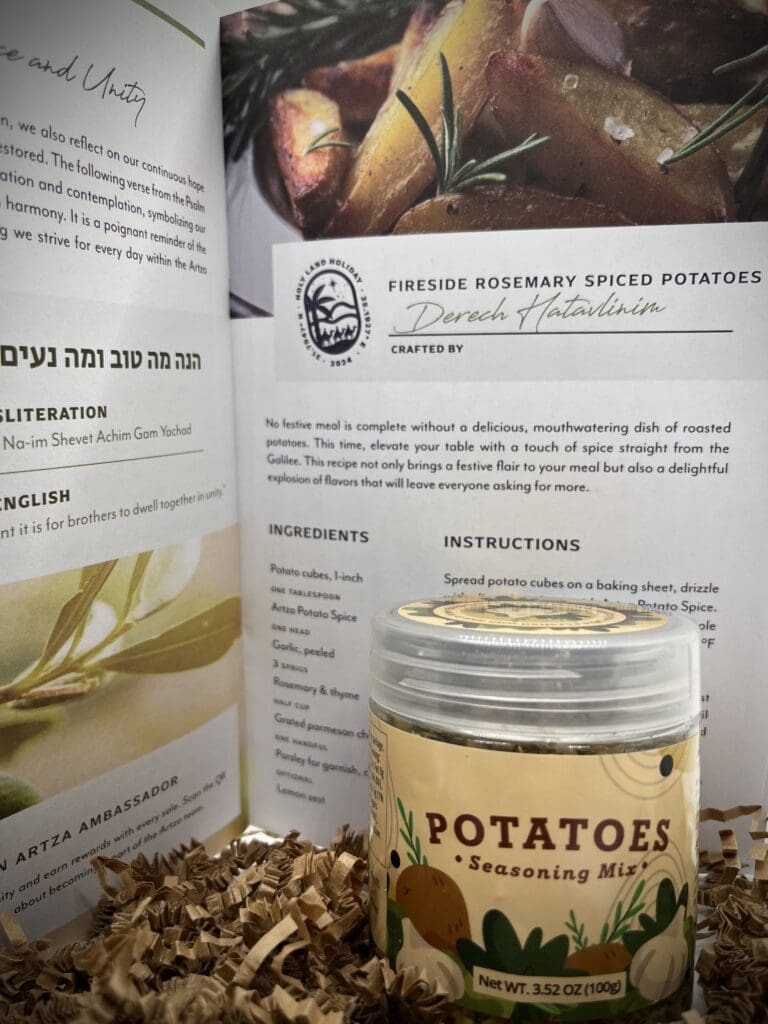
Each Artza box features an authentic recipe paired with a signature spice or ingredient to bring it to life. This season’s box includes a delicious Potato Seasoning, a versatile blend of herbs perfect for elevating your culinary creations.

Use it to prepare the included Fireside Rosemary Spiced Potato recipe—a savory dish that’s sure to delight—or sprinkle it on any type of potatoes for a burst of flavor. Feeling creative? This aromatic mix can easily enhance other dishes, adding a touch of the Holy Land to your meals.

Hazelnut-Filled Dates

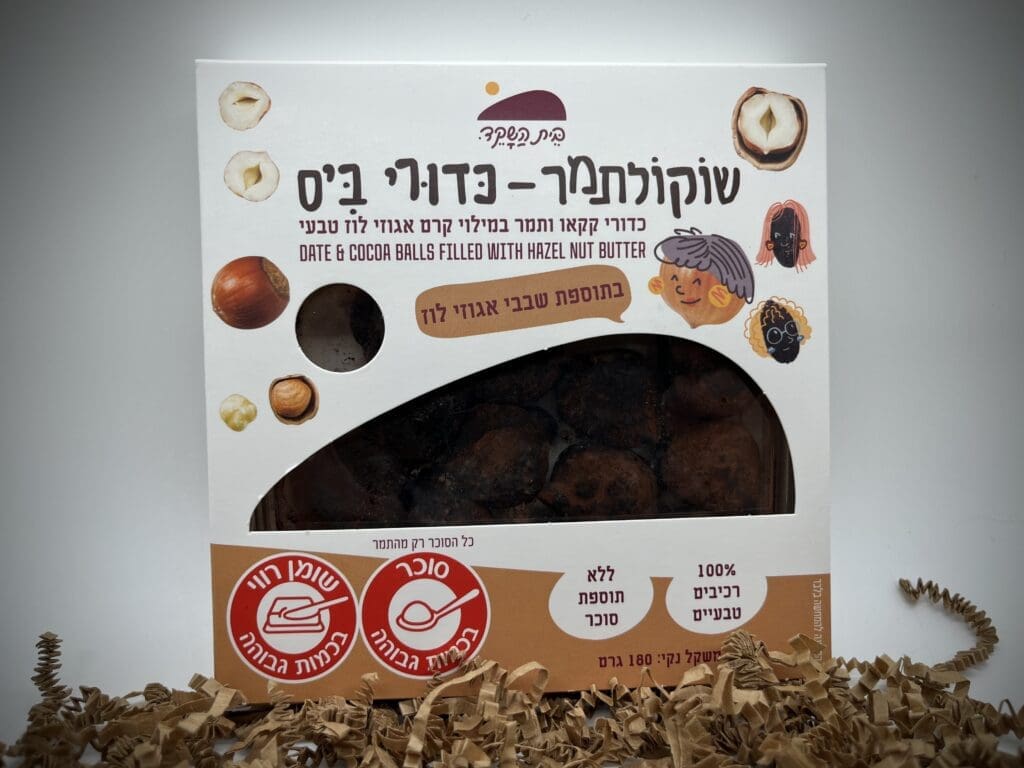
Dates have been a cornerstone of the Israeli diet for centuries, thriving in the region’s warm climate and playing a key role in its culinary traditions. Dates are featured in this box in an exciting and delicious way.

Made by the Israeli company, The Nut House, these premium dates are elevated to a whole new level. Each date is generously filled with creamy hazelnut, then delicately coated in rich cocoa, creating a snack that’s both indulgent and wholesome.

Perfect for an afternoon pick-me-up or a post-dinner treat, these hazelnut-filled dates offer a natural energy boost while satisfying your sweet tooth. Whether enjoyed on their own or paired with a cup of coffee or tea, they bring the flavors of Israel straight to your home.

Treat yourself to this unique delicacy and savor the sweet, nutty, and chocolaty layers that make these dates truly unforgettable.

Winter Cider Infusion

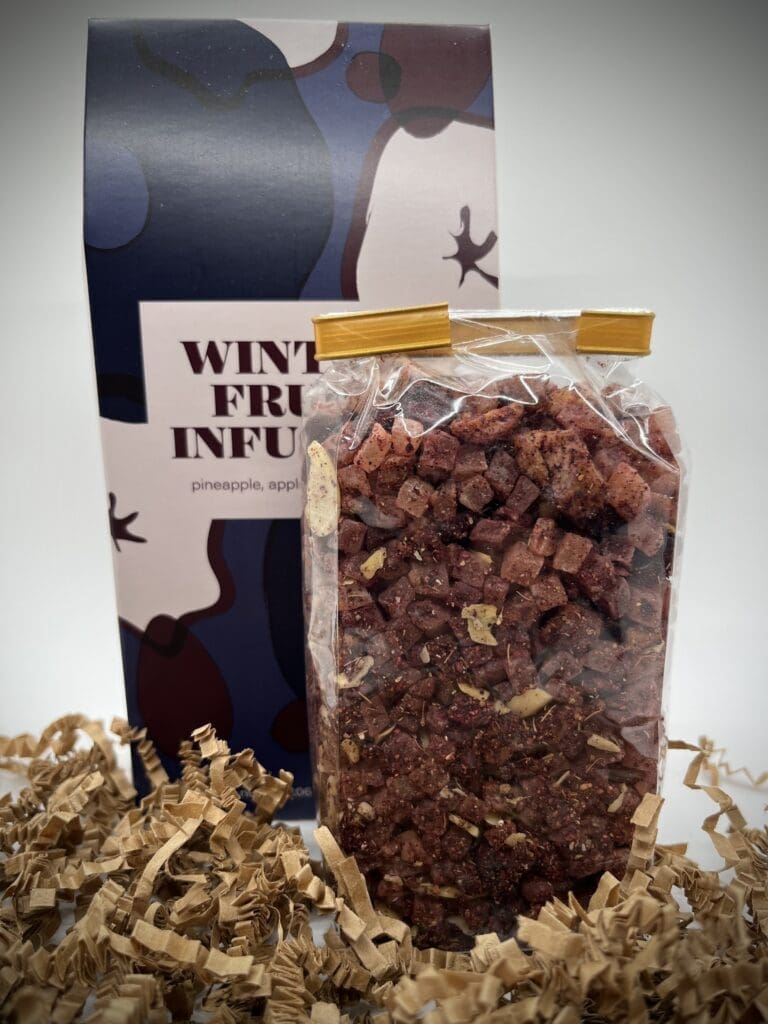
One of the joys of the colder months is enjoying a cozy, flavorful drink—and this fruit infusion is perfect for the season! With its delightful blend of dried hibiscus, pineapple, and cranberries, this mix offers a versatile and delicious experience.

Brew it as a soothing tea, add it to a pot of cider for an extra burst of flavor, or simply let it simmer on the stove to fill your home with a warm, inviting aroma. The small, bite-sized pieces make it easy to use in a mesh cheesecloth bag for cooking, and they even double as a sweet, chewy snack that my kids adore.

Whether you’re sipping, snacking, or savoring the fragrant atmosphere it creates, this fruit infusion is sure to become a seasonal favorite for the whole family.

This holiday season, let Artza bring the spirit of the Holy Land into your home and heart. With every box, you’re not just receiving beautifully crafted items; you’re supporting local artisans, cherishing ancient traditions, and deepening your connection to a land rich in history and meaning. Whether you’re gifting it to a loved one or enjoying it yourself, the Artza Holiday Box is more than a collection of treasures—it’s an experience that celebrates faith, culture, and the joy of giving. Embrace the wonder of the season and discover the story of the Holy Land, one box at a time.

Use coupon code HEBREW20 to receive a 20% discount 
on your Artzabox subscription!